





Diamond Home Launches Premium Furniture Store in Faisalabad – Enjoy Up to 40% Off
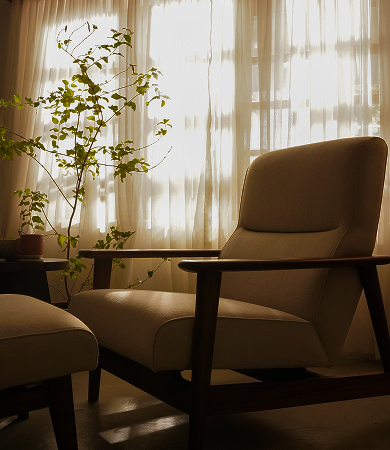
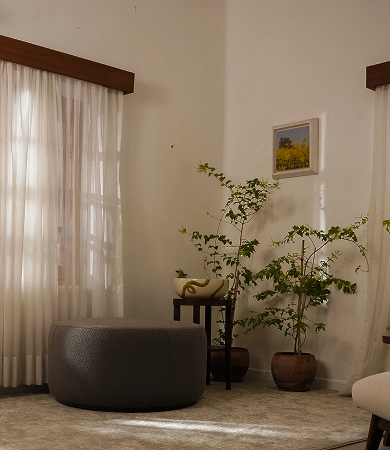
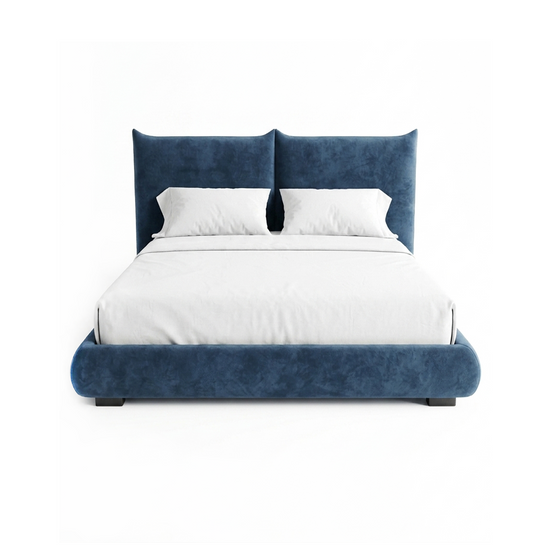
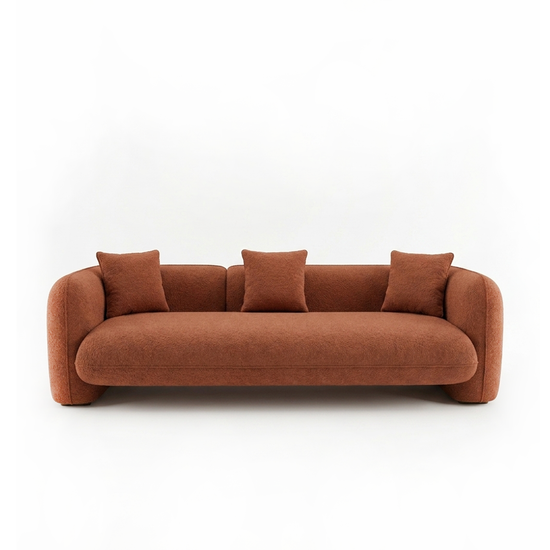
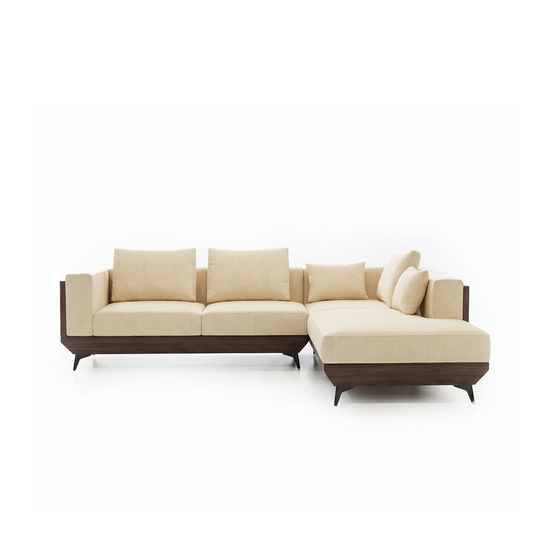
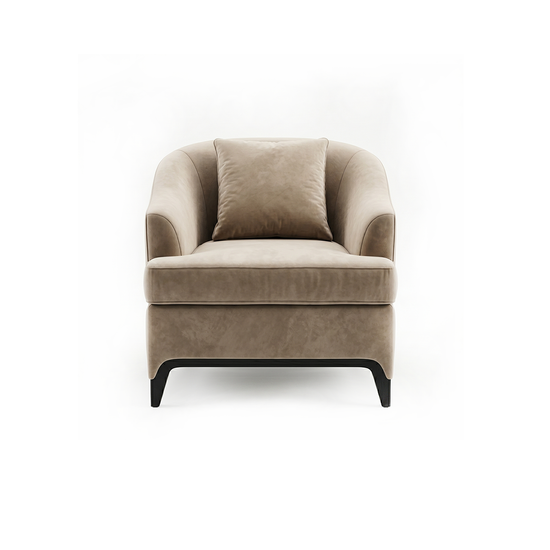
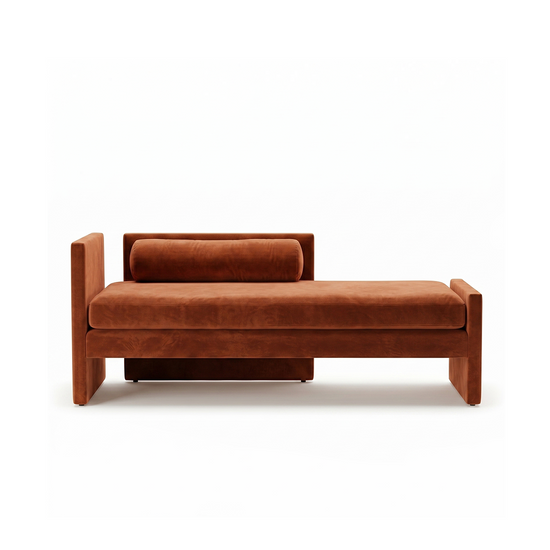
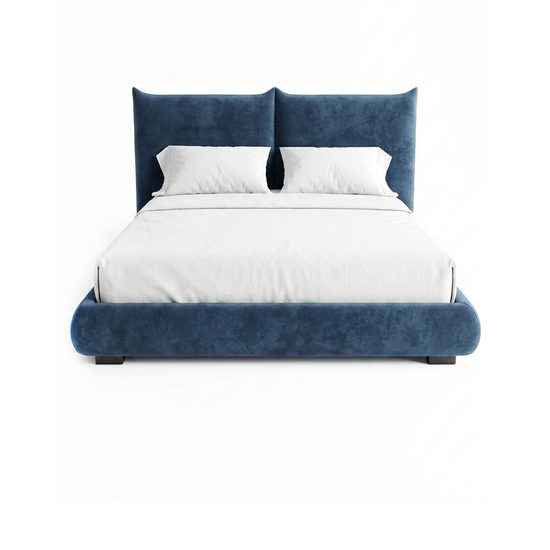
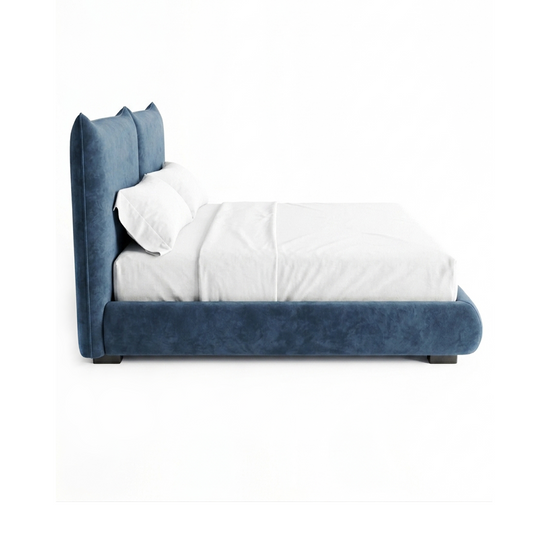
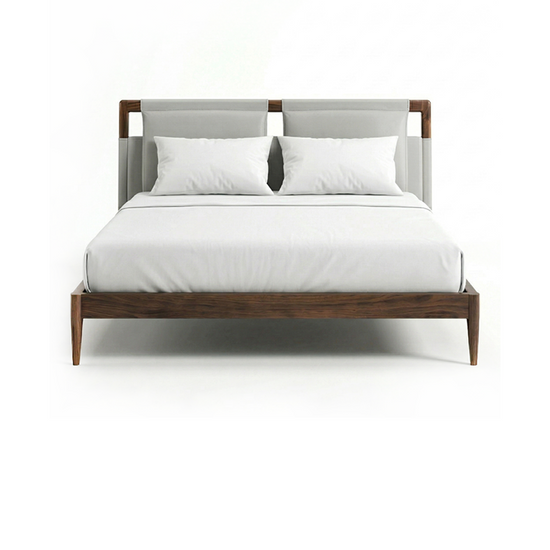
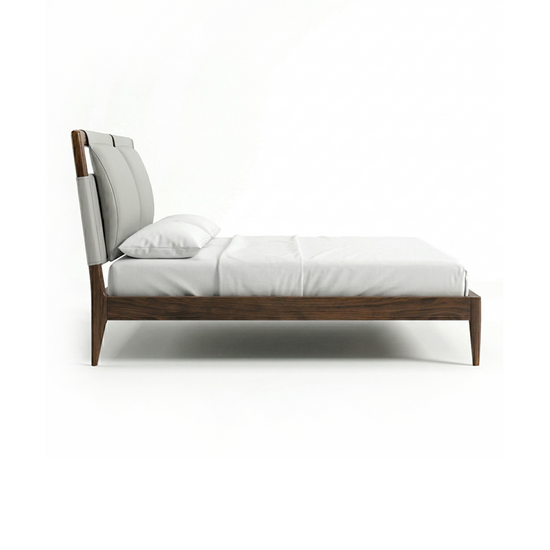
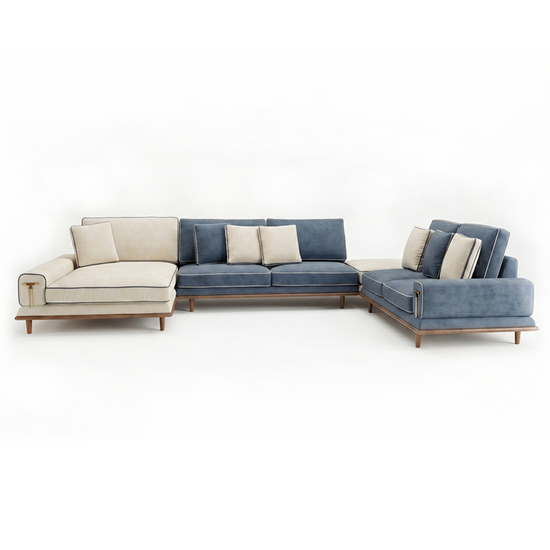
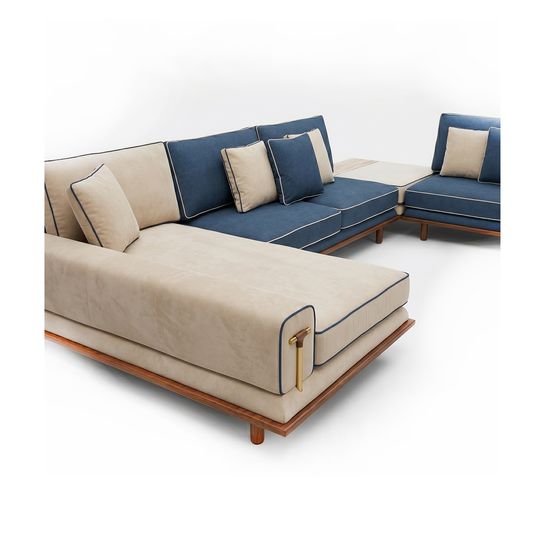
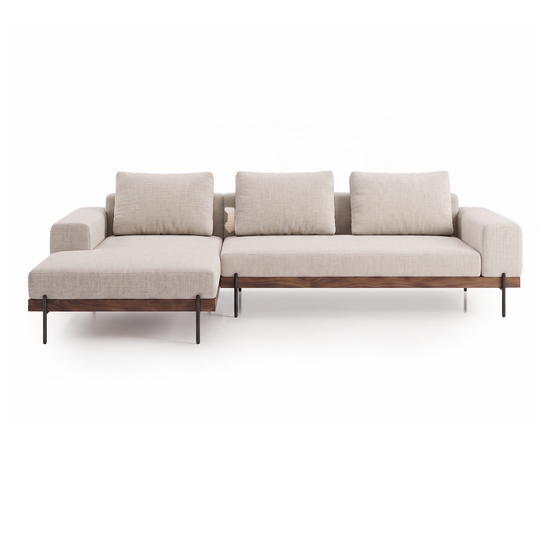
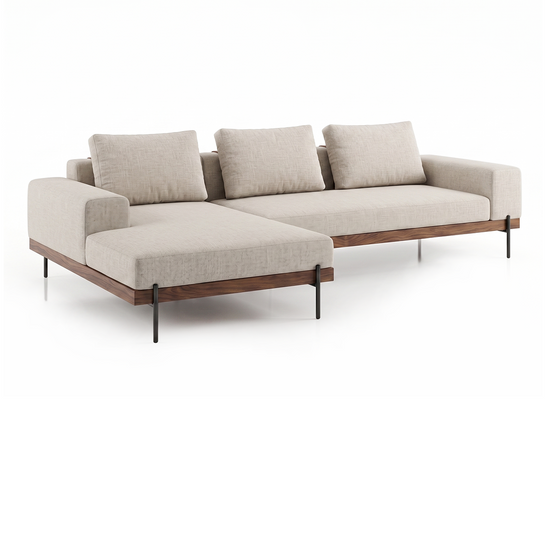
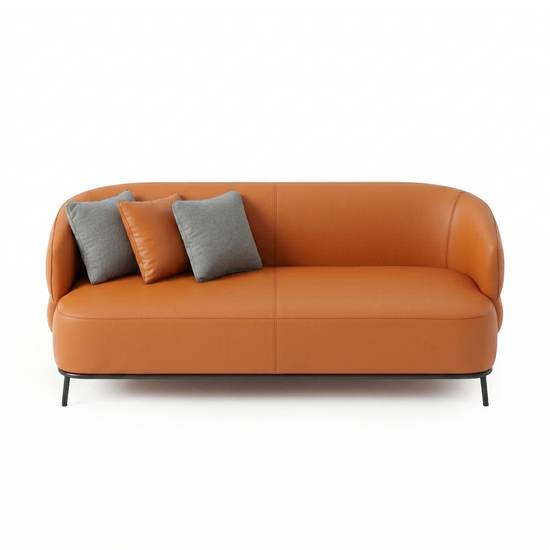
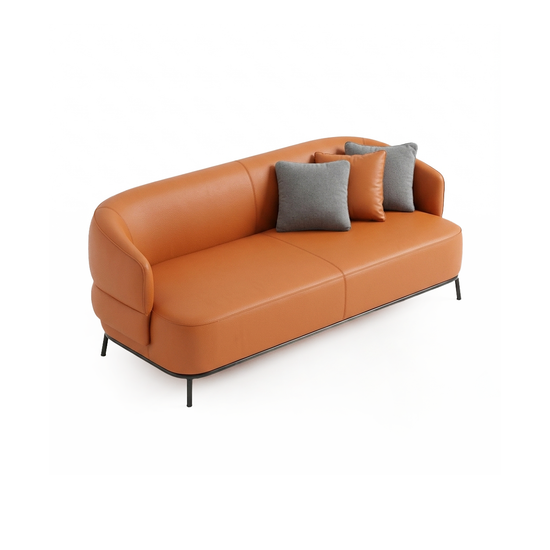
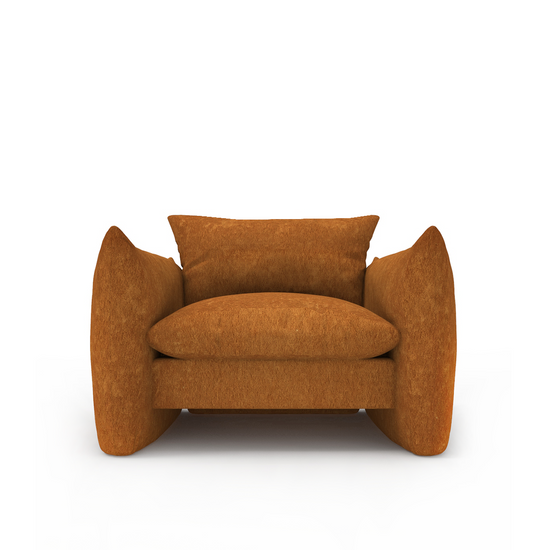
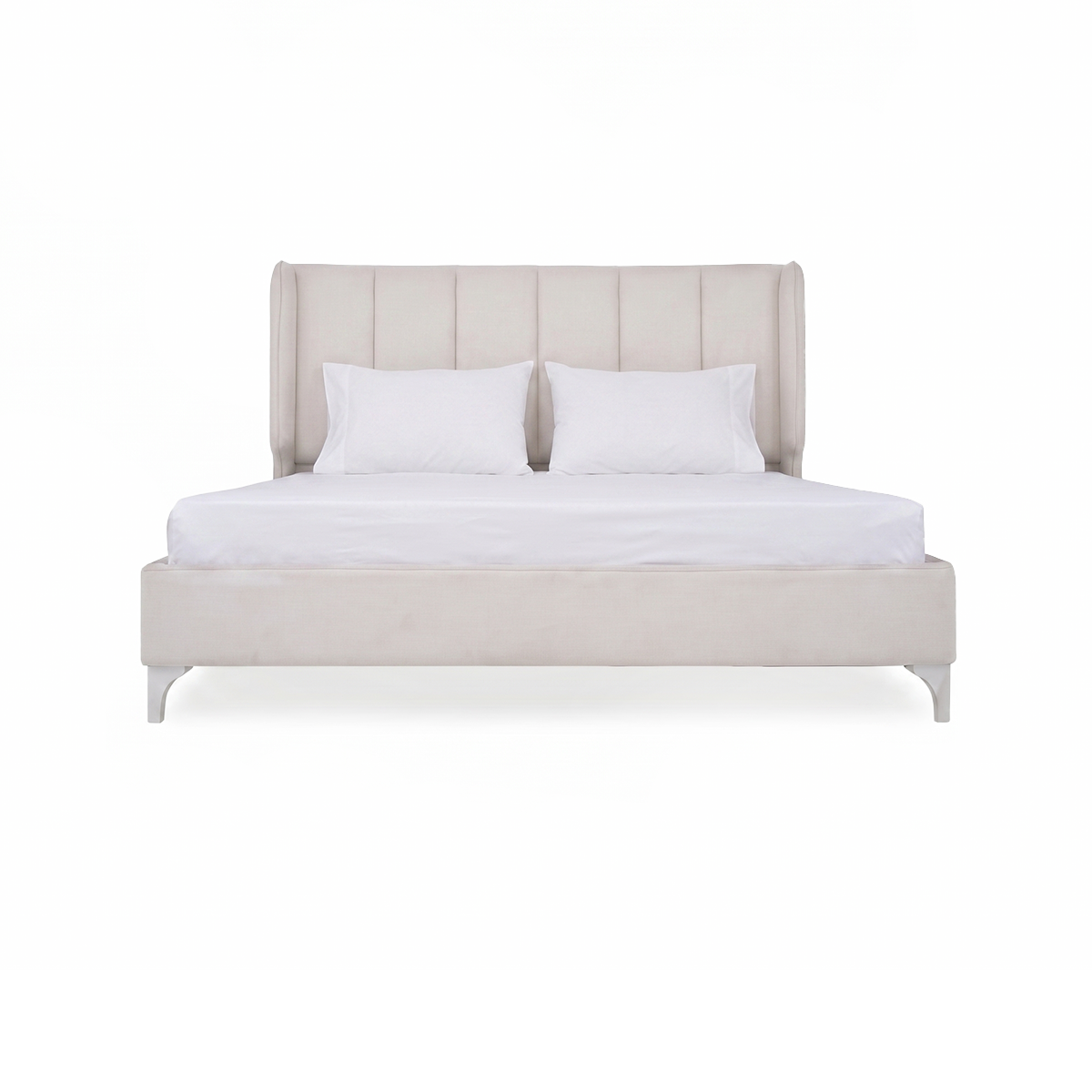
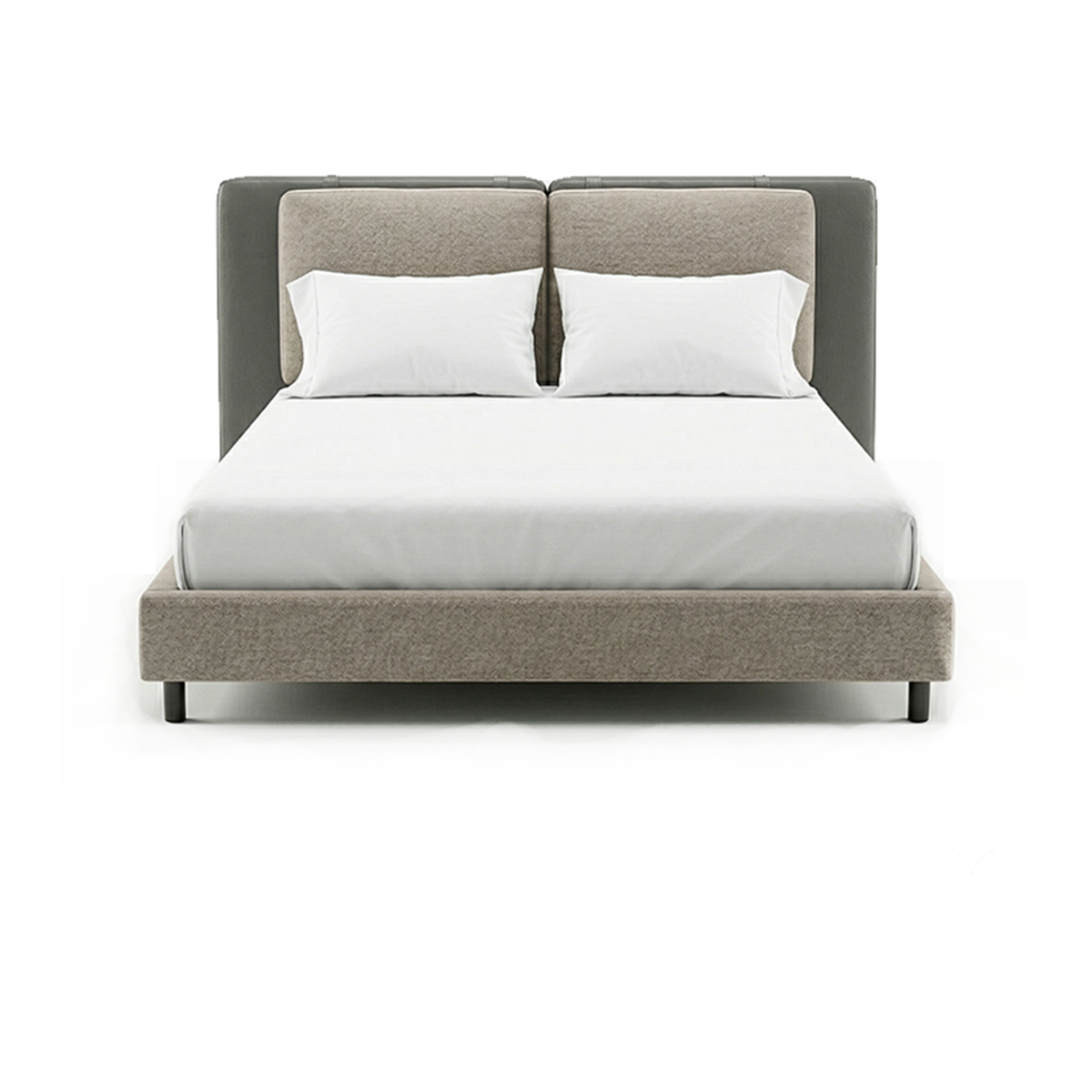
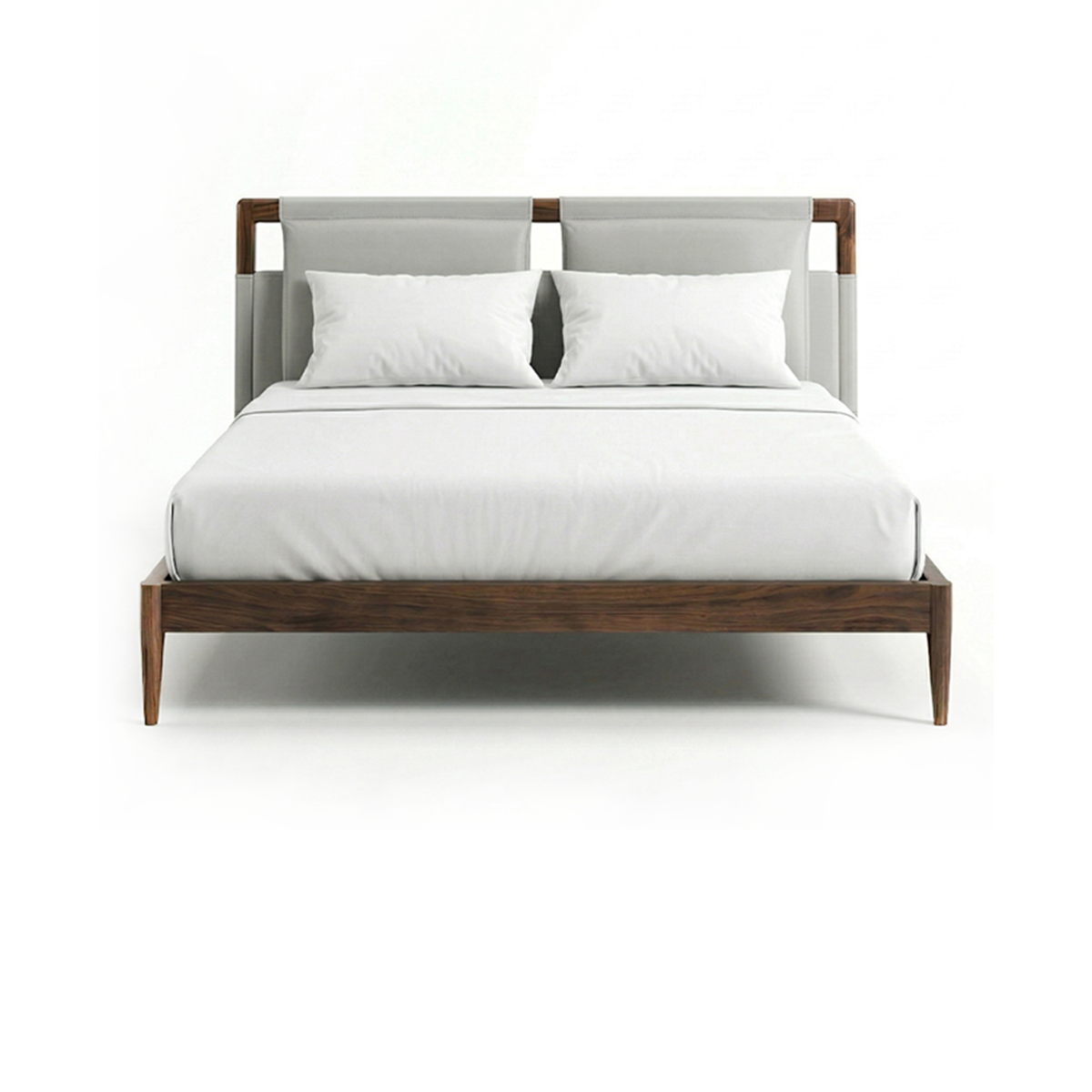
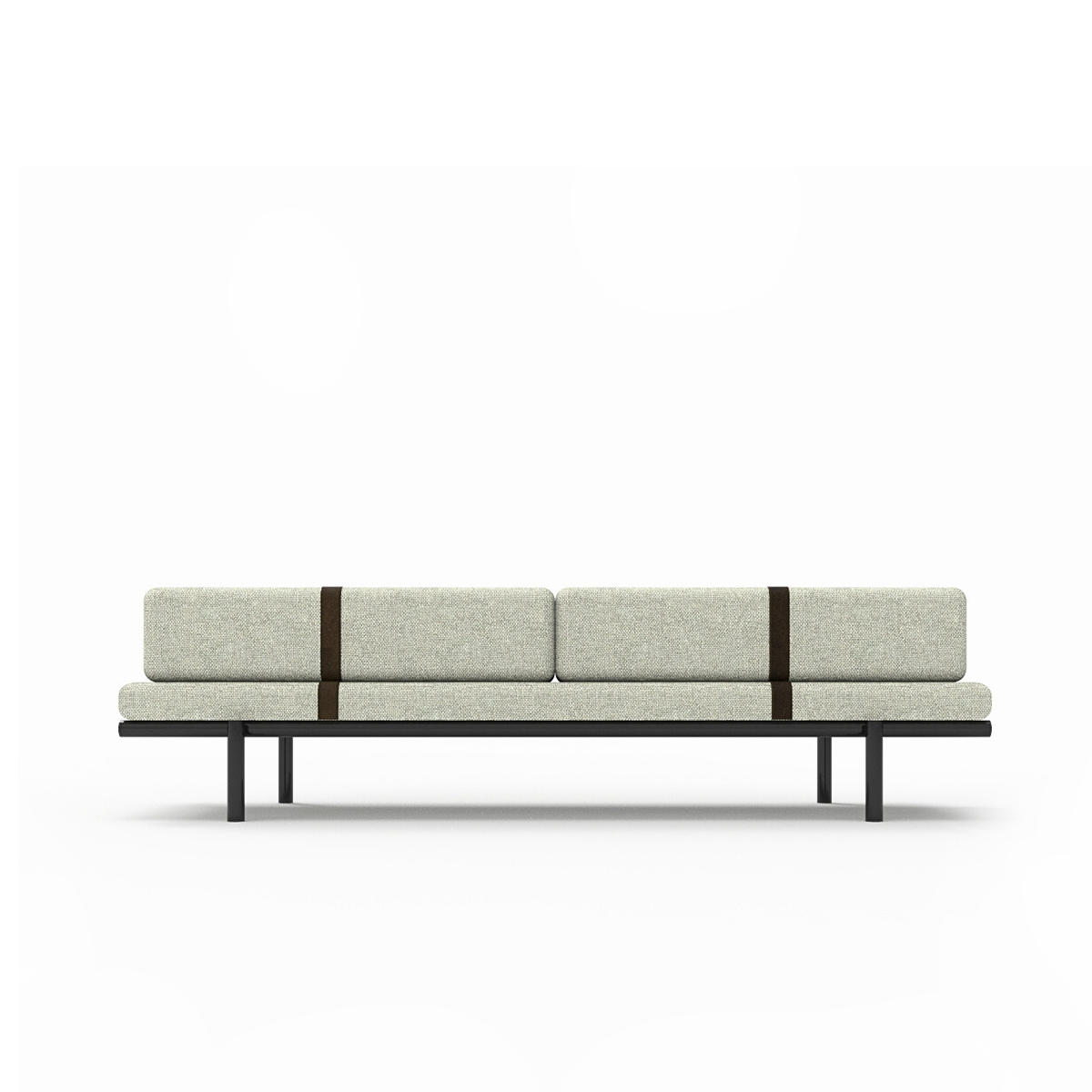
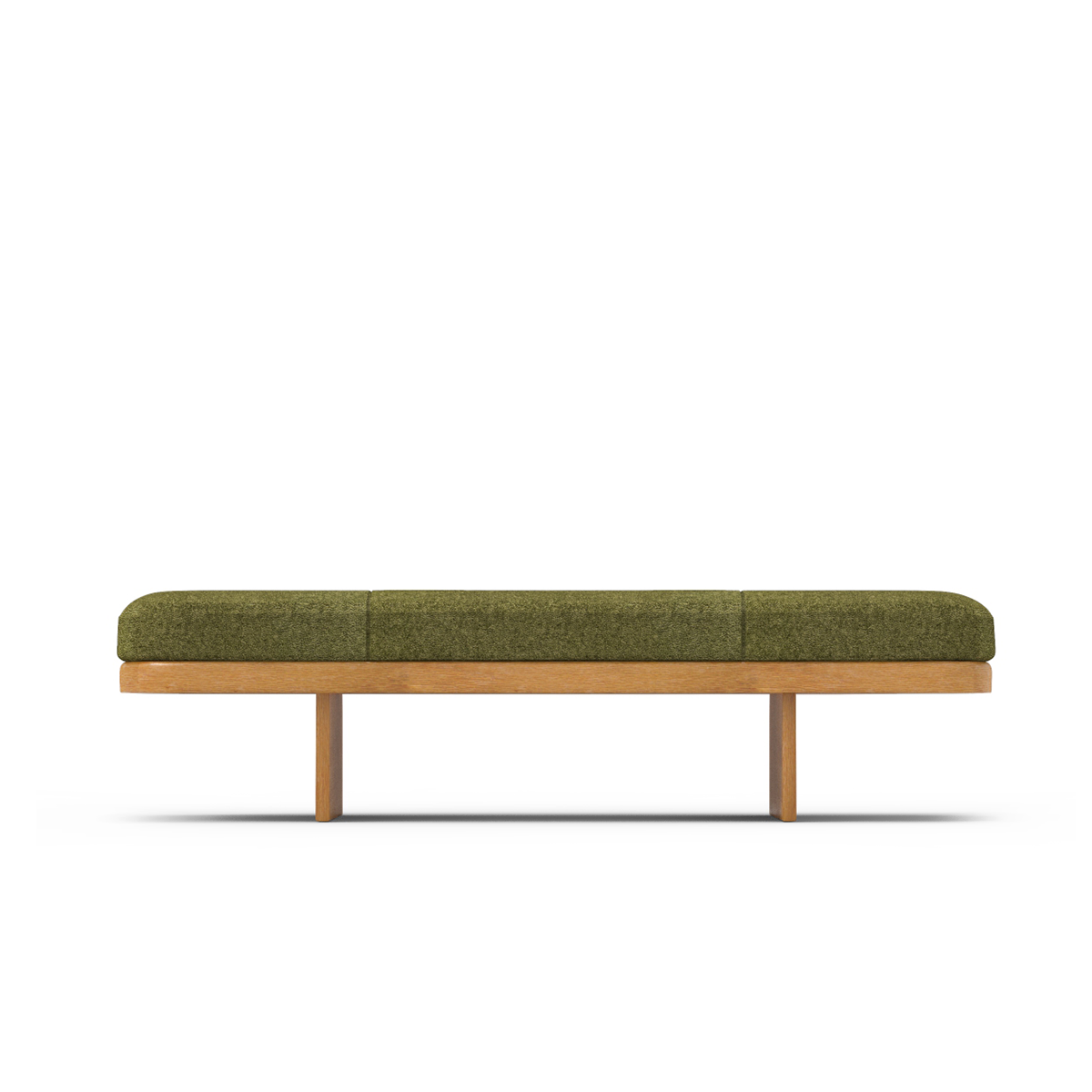
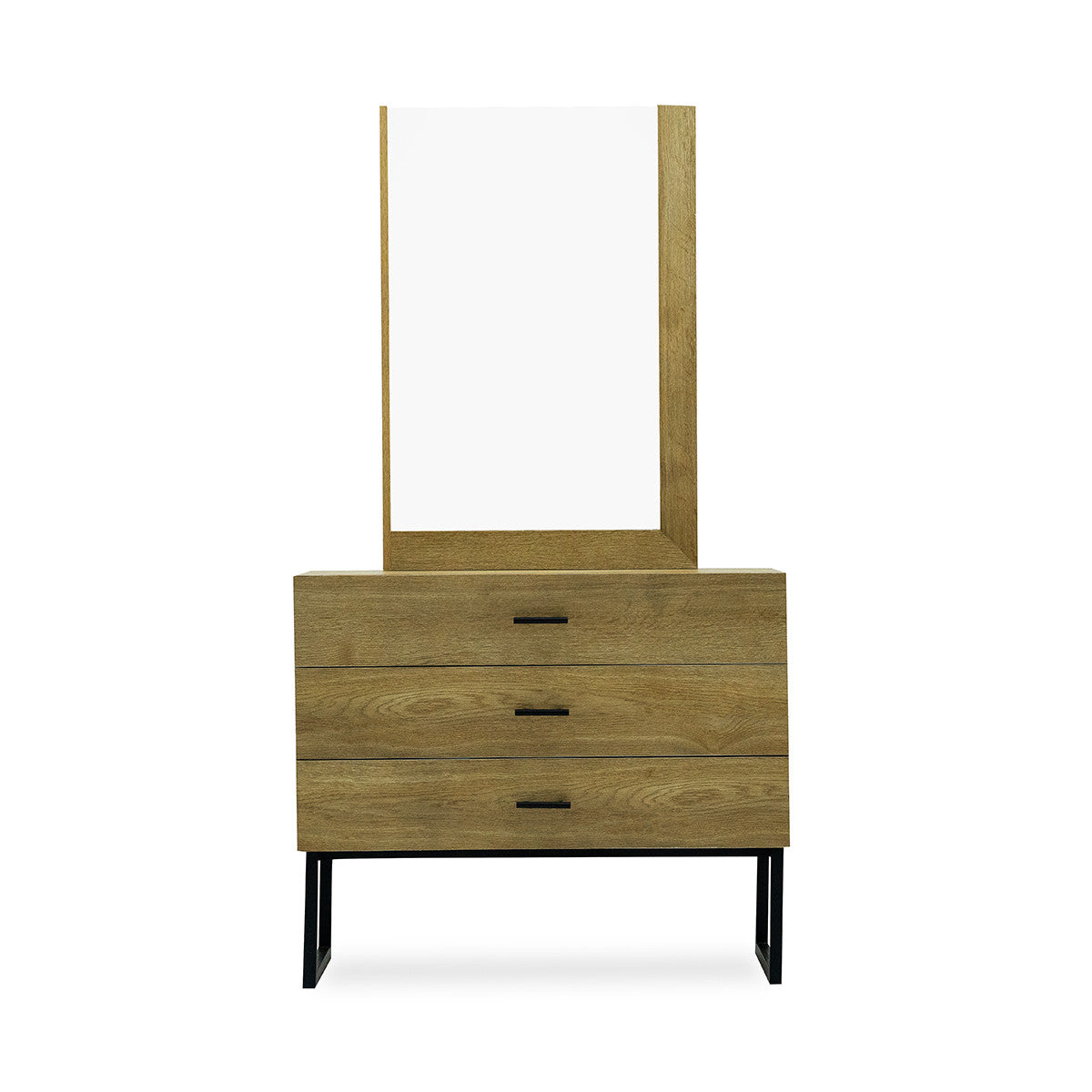
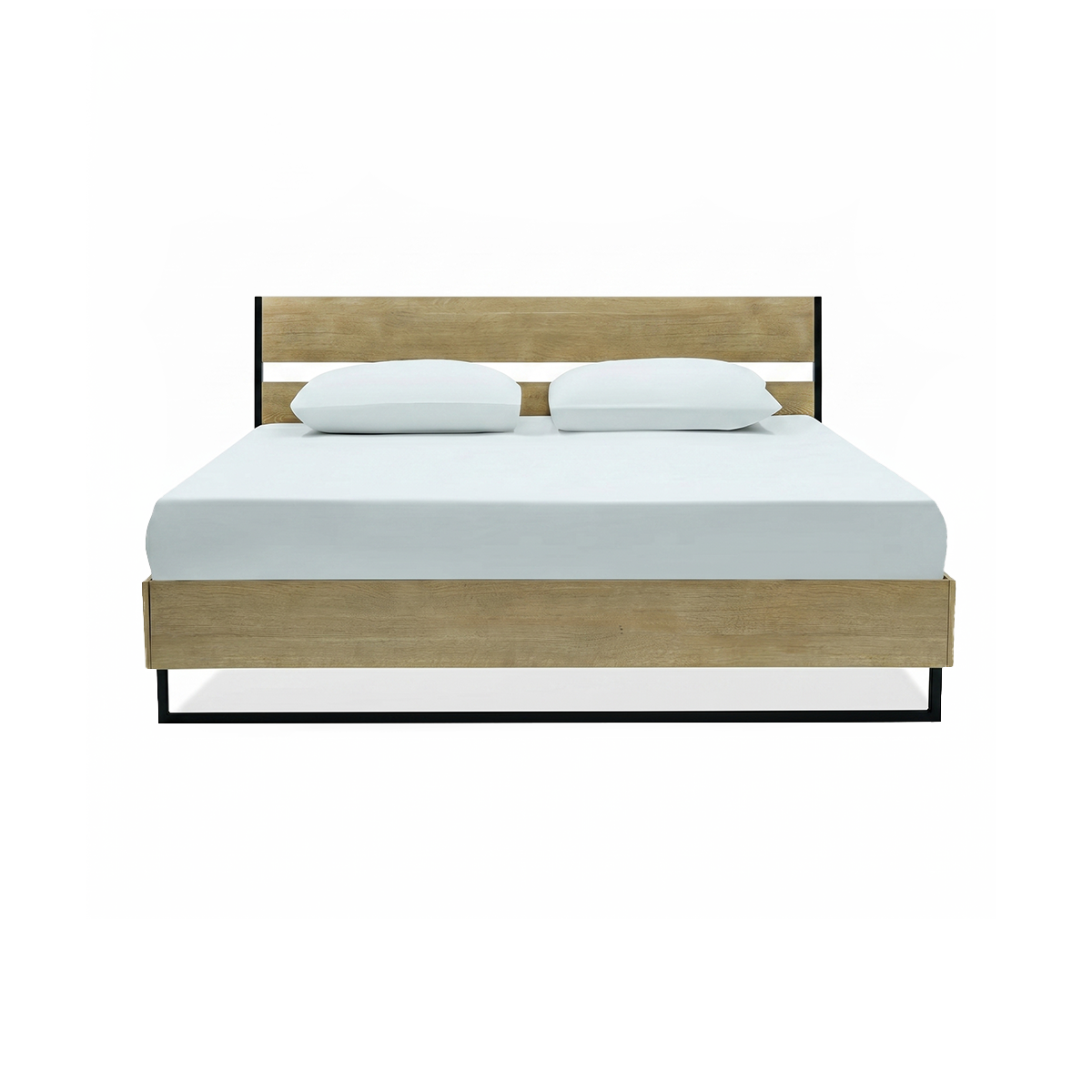
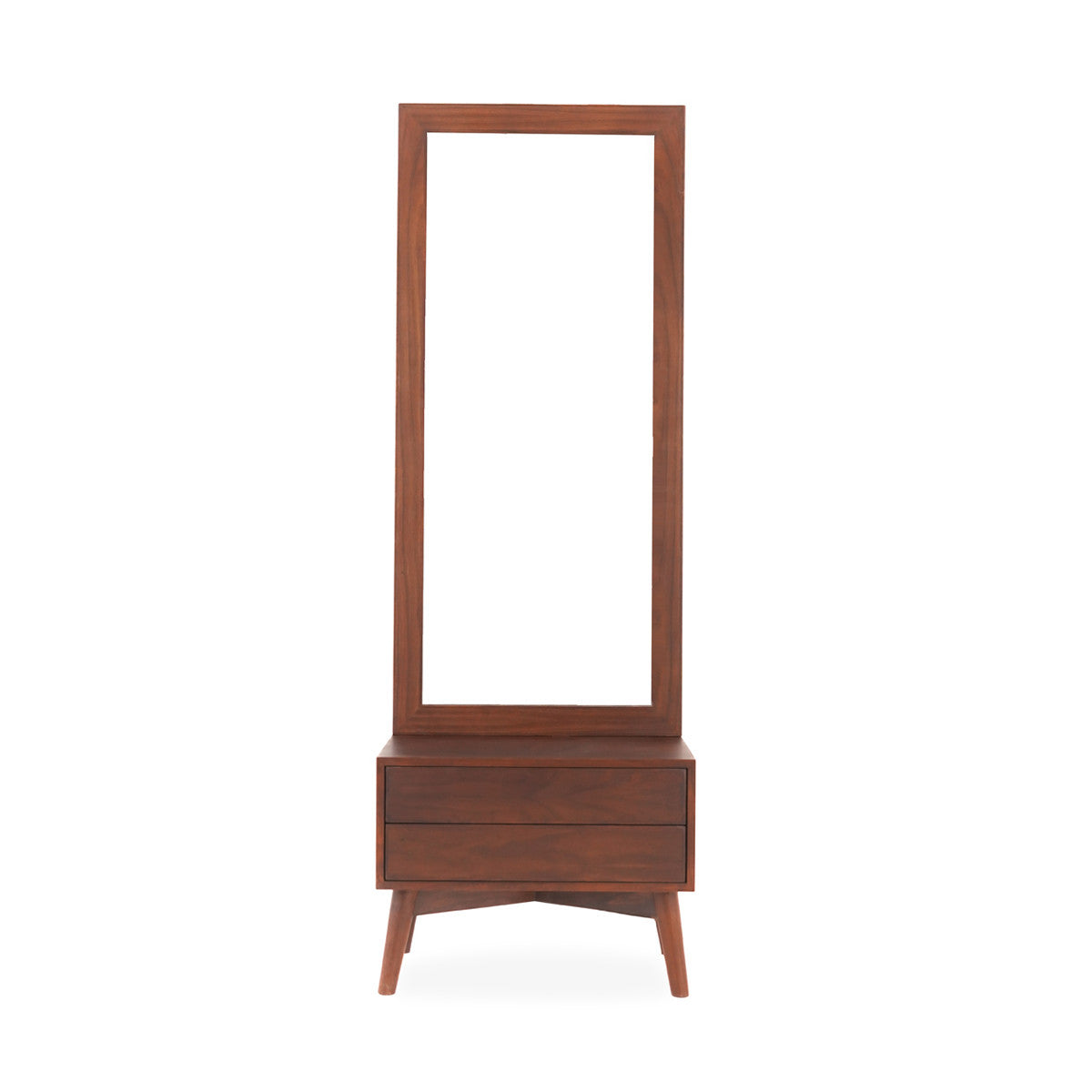
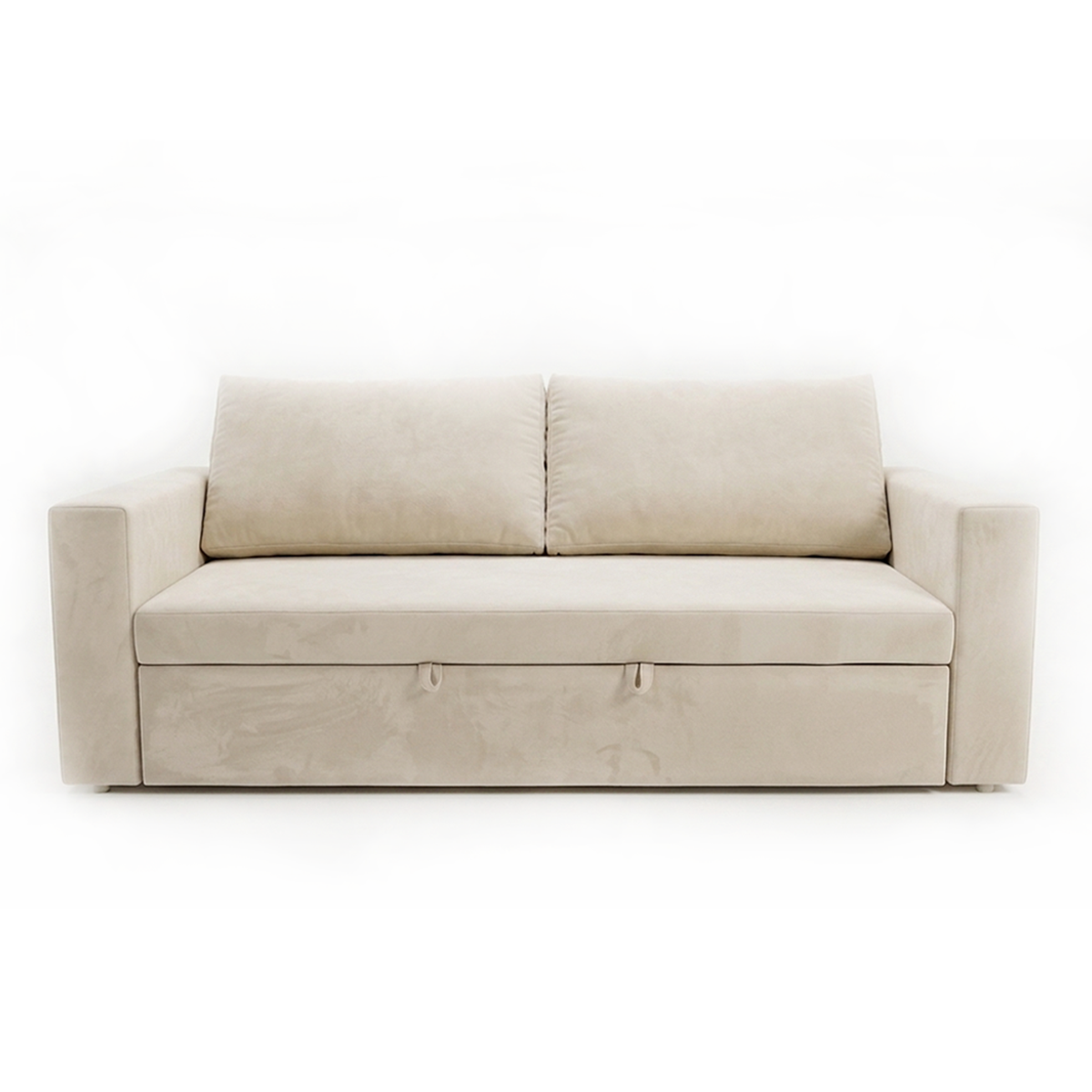
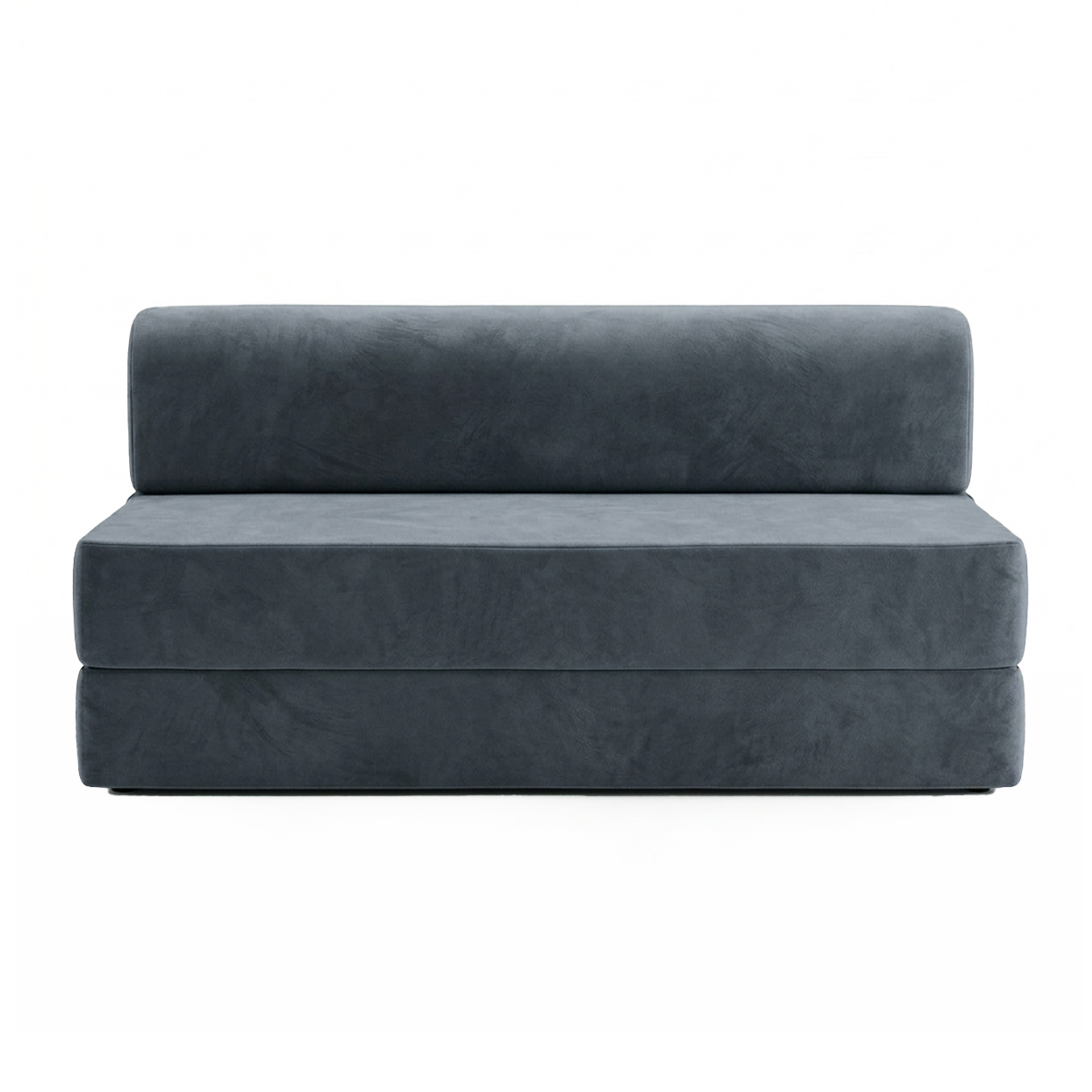
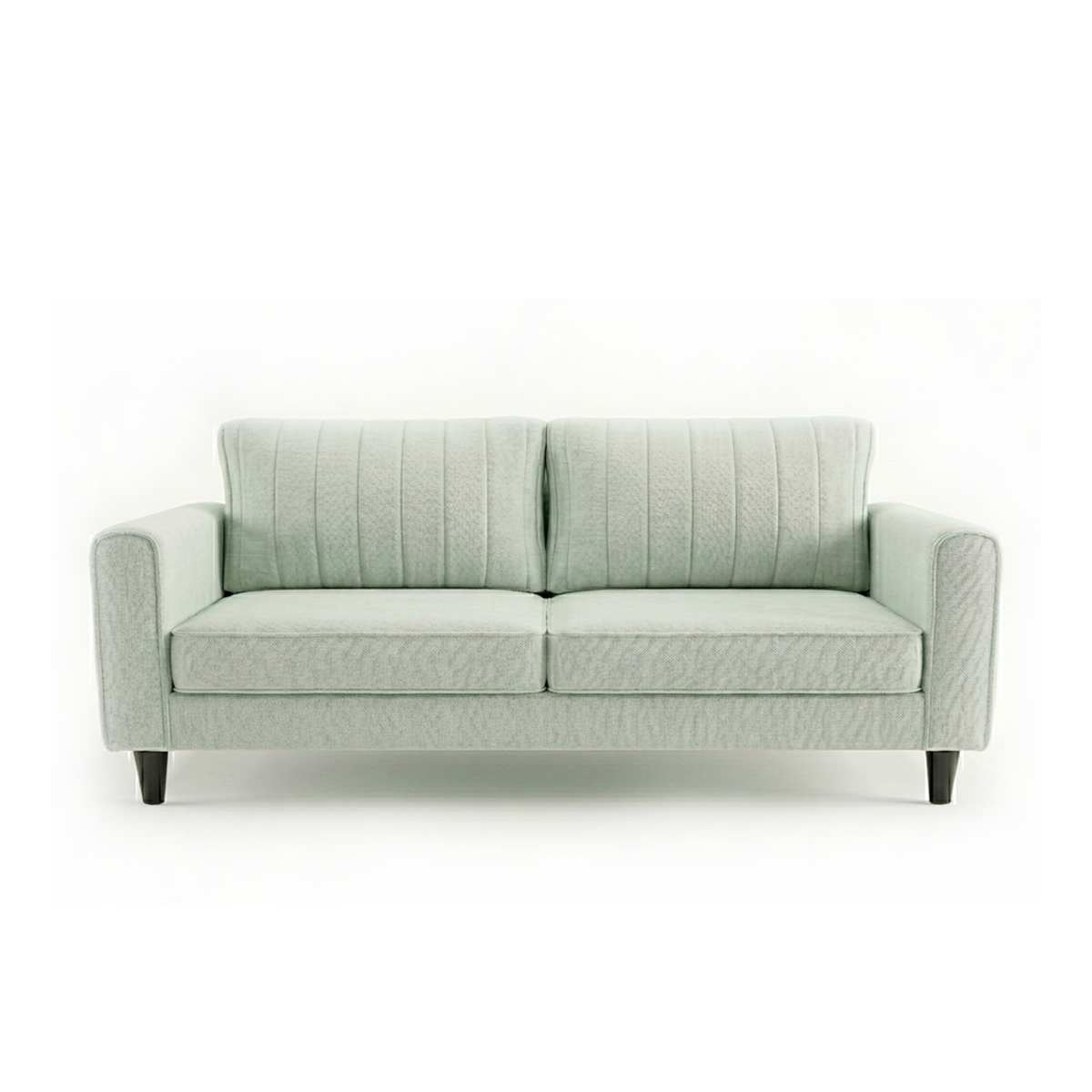
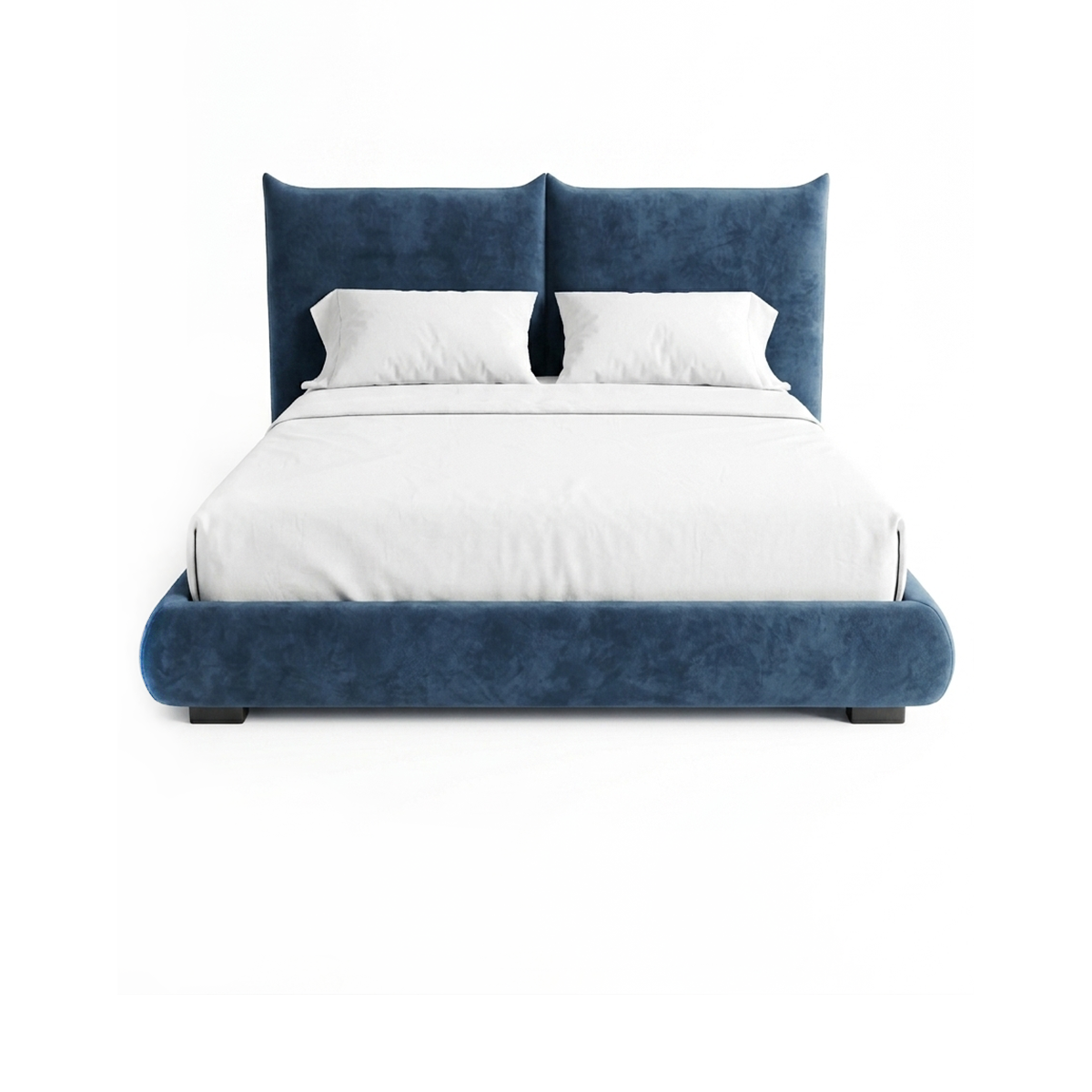
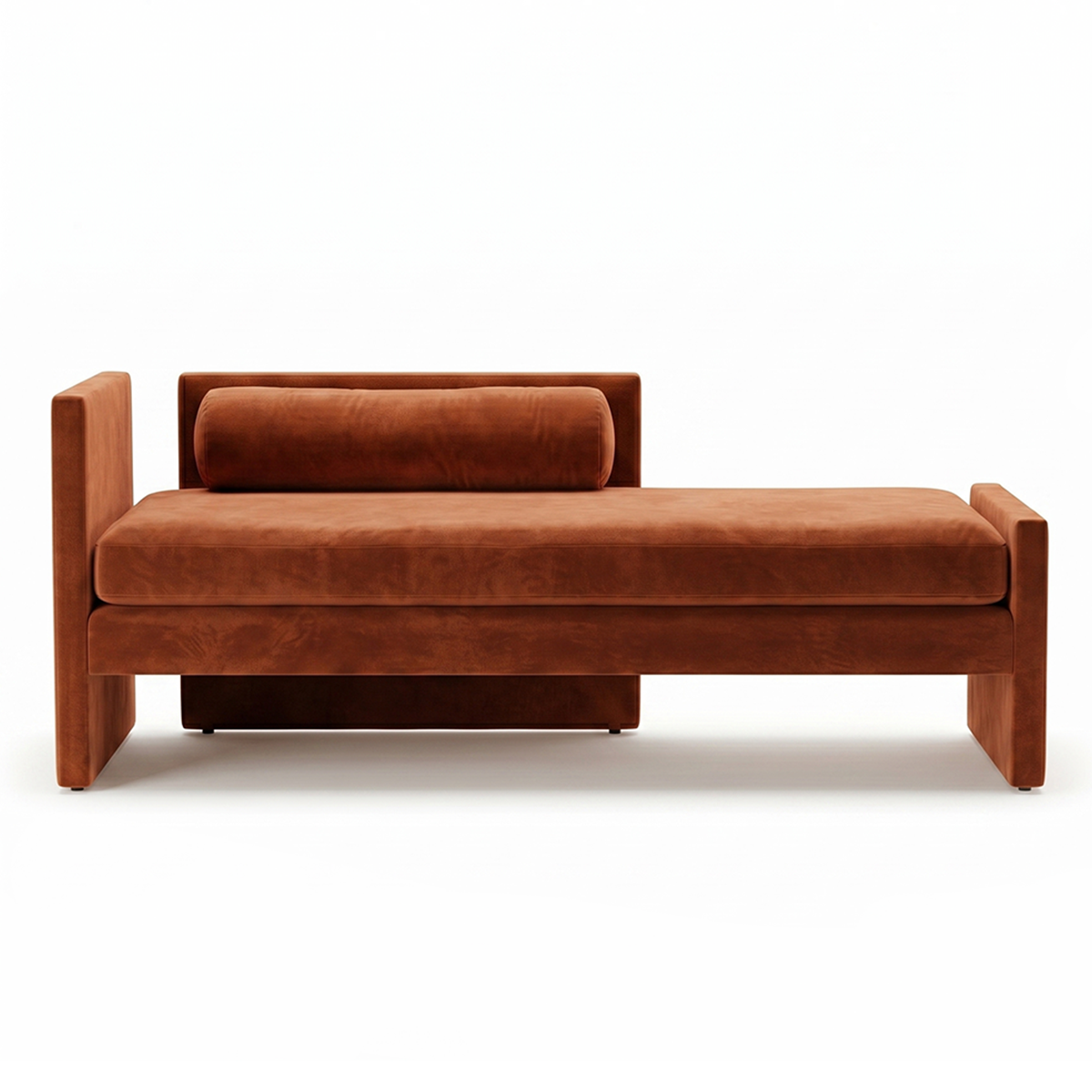
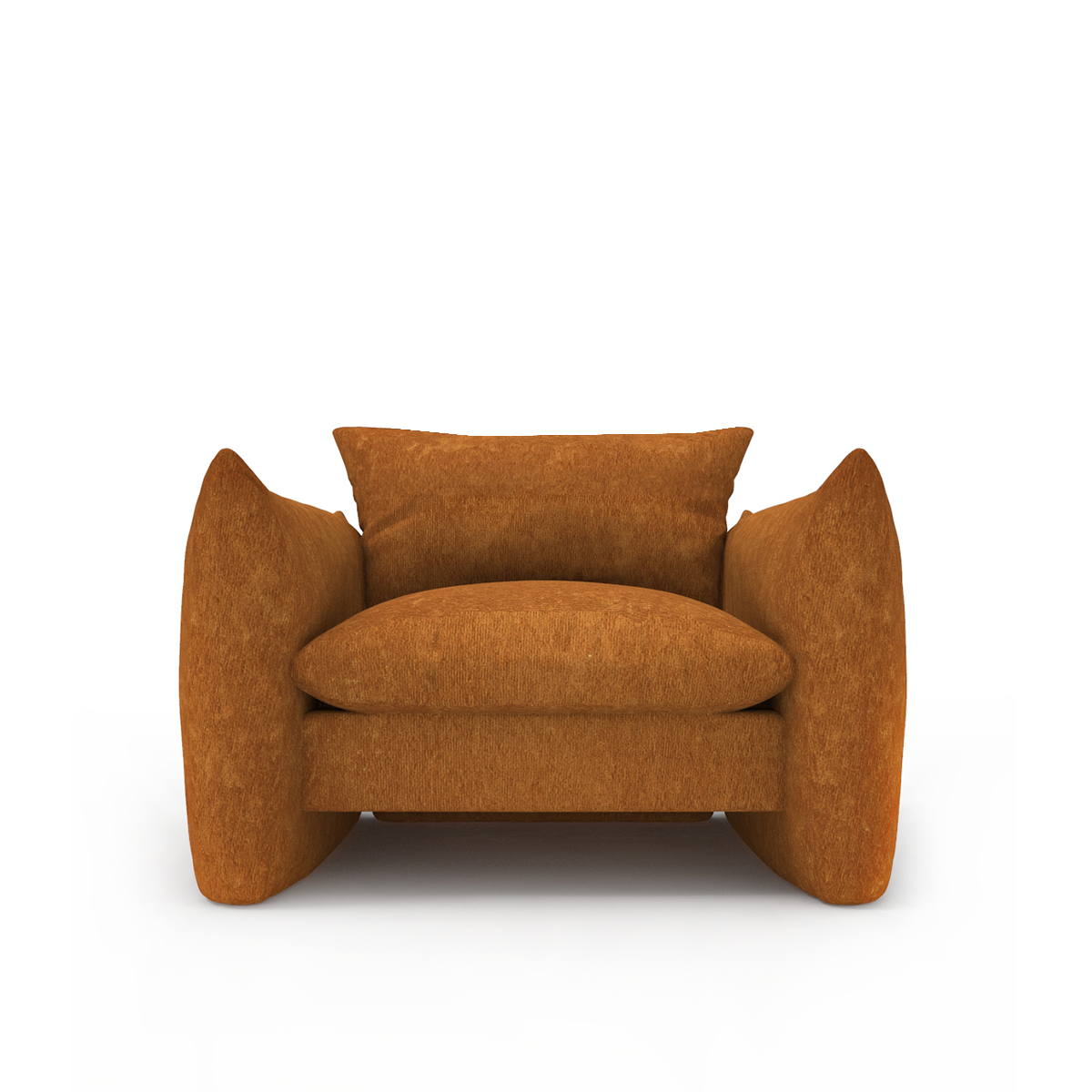
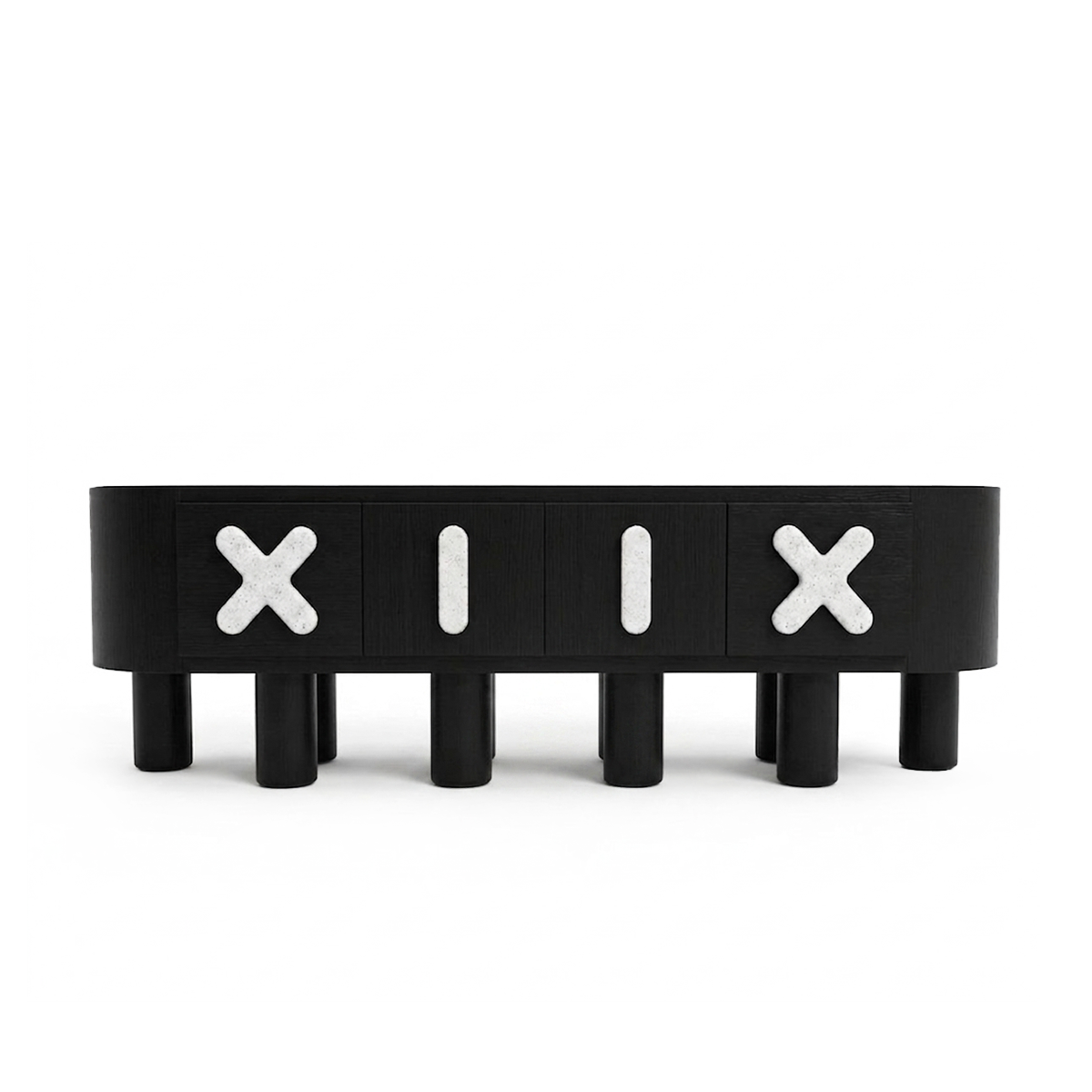
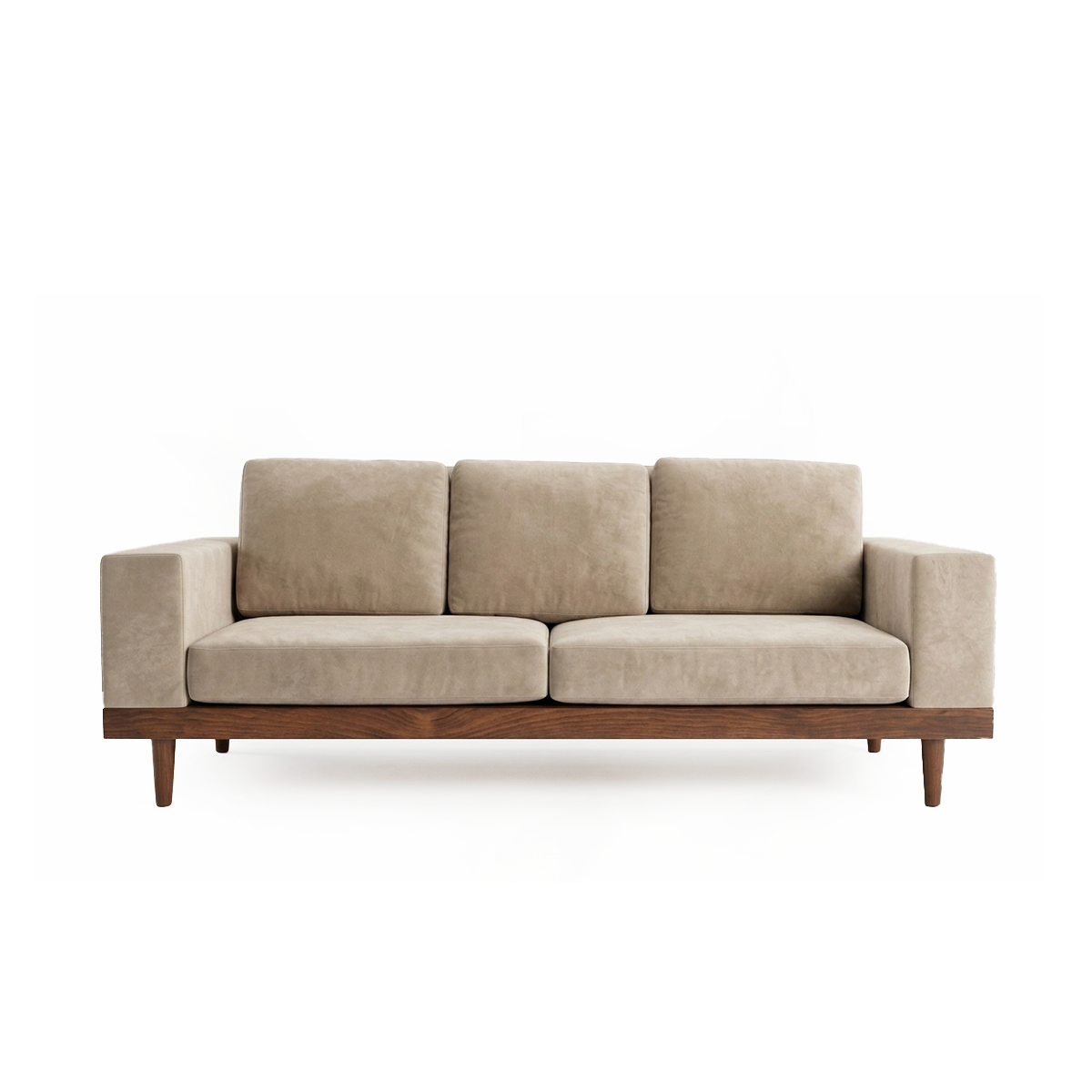
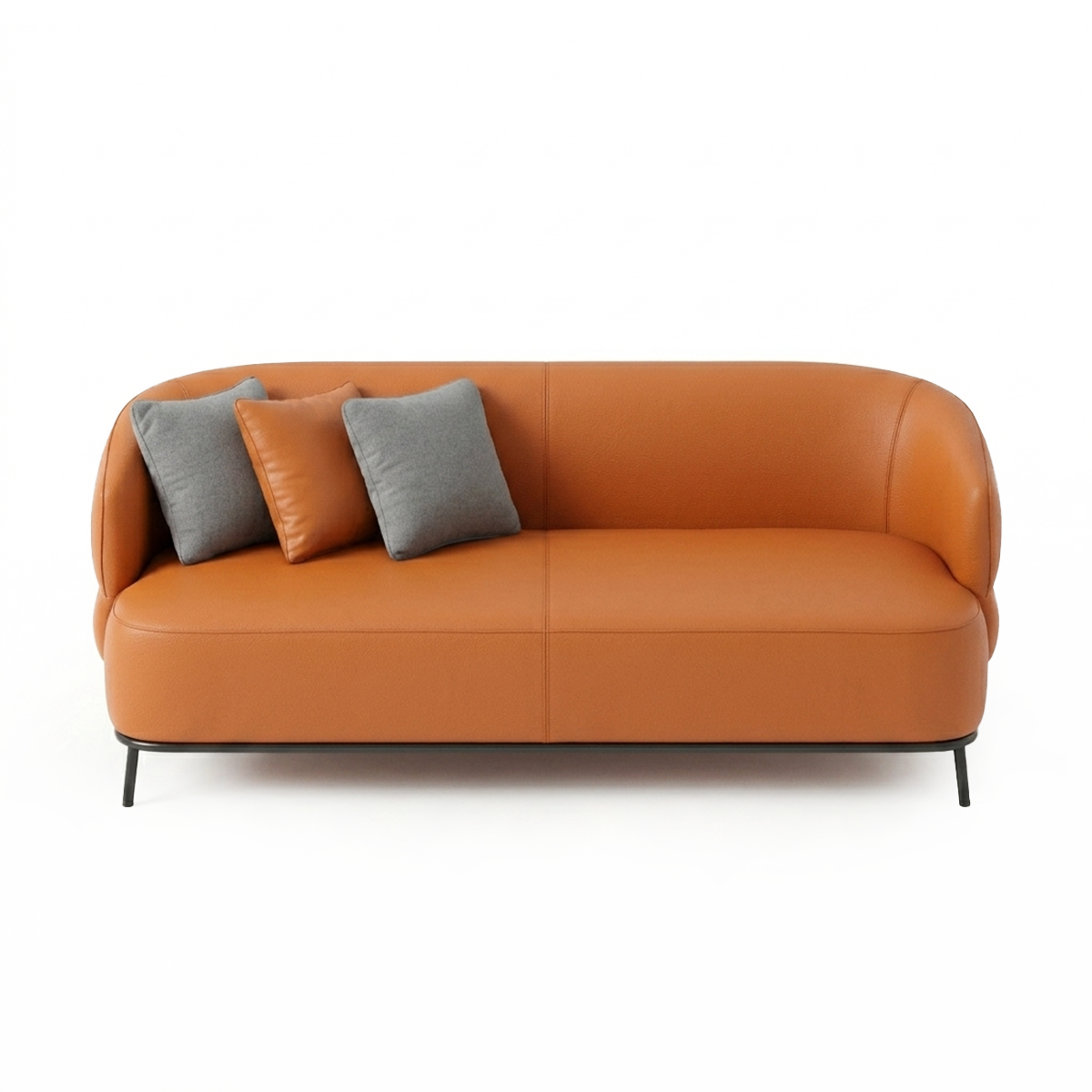
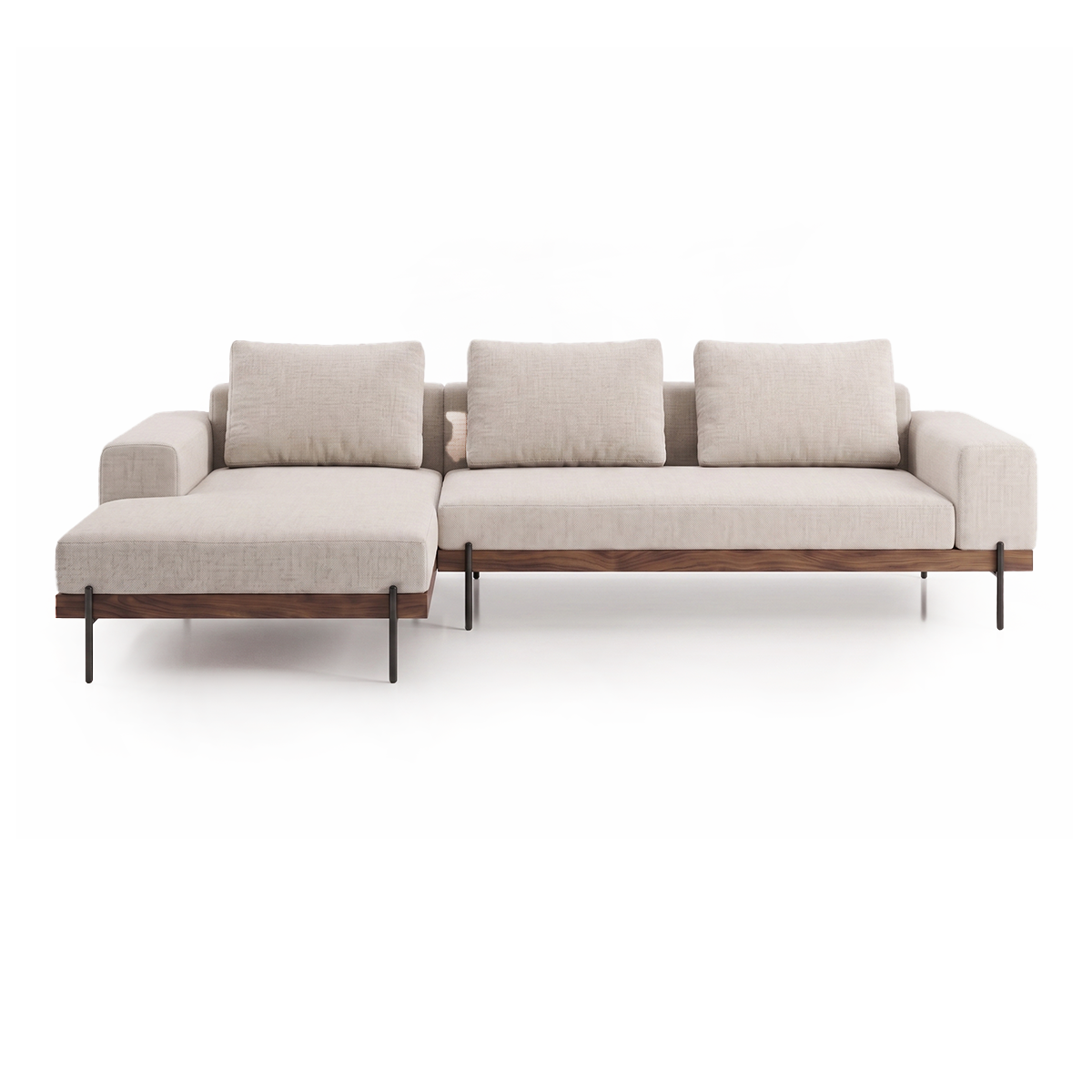
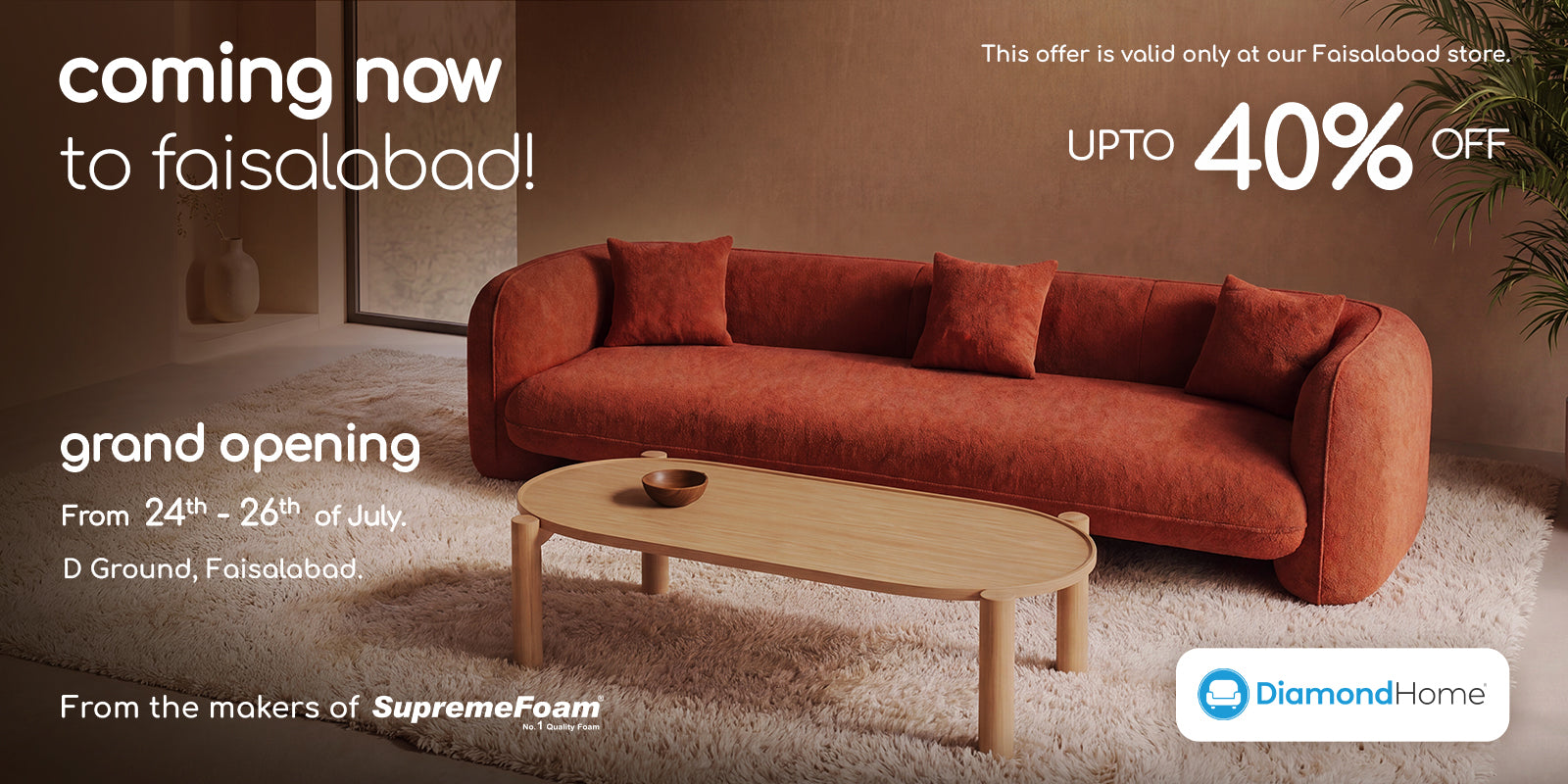
With successful stores already serving customers in Lahore and Karachi, Diamond Home is officially launching its new flagship store in D-Ground, Faisalabad, on July 24, 2026, bringing a premium collection of stylish and modern furniture in Pakistan. From the makers of Supreme Foam, the new store introduces people of Faisalabad to a complete range of luxury furniture solutions, including stylish sofas, contemporary beds, comfortable recliners, coffee tables, and home furniture designed for modern lifestyles. Located in one of Faisalabad’s busiest shopping areas called the D-Ground, the Diamond Home showroom offers a unique experience where the people of Faisalabad can explore fully designed living spaces rather than simply view individual furniture pieces. The store allows visitors to experience the quality, comfort, and beauty of each product while finding inspiration for their own homes. Grand Opening Sale – Up to 40% OFF Join us as we celebrate the grand opening of the Diamond Home Flagship Store in Faisalabad on 24th July! To mark this exciting milestone, enjoy up to 40% OFF on our entire furniture collection from 24th July to 26th July. Visit our newest showroom and discover premium sofas, beds, dining sets, recliners, and more at unbeatable opening celebration prices. Discover Premium Furniture at Diamond Home Faisalabad The launch of Diamond Home Faisalabad reflects the growing demand for high-quality and stylish furniture that Pakistanis are searching for. Today, customers want furniture that is not only attractive but also durable, comfortable, and suitable for modern interior designs. Diamond Home brings a wide selection of premium furniture collections under one roof, helping you create contemporary living spaces with carefully designed pieces. From luxury seating arrangements to modern bedroom solutions, every product combines functionality with contemporary style. The new showroom features carefully crafted furniture made with quality materials, attractive finishes, and designs that complement different home interiors. Whether you are furnishing a new house or upgrading your current space, Diamond Home provides solutions for every decor. Modern Bed Designs and Stylish Bedroom Furniture A bedroom is one of the most important areas of any home, and Diamond Home offers a beautiful range of modern bed design options to enhance comfort and style. You can explore different bed styles featuring durable structures, premium finishing, and designs that create a relaxing bedroom environment. The collection includes stylish bed set options that combine beds with matching bedroom furniture to create a complete and coordinated look. From simple modern styles to luxurious designs, Diamond Home helps you select bedroom furniture that reflects your personal taste. For those looking for inspiration, the showroom displays different layouts where they can visualize how a new bed design will look in their own space. Aesthetic Sofa Designs for Modern Living Rooms The living room is the heart of every home, and Diamond Home’s collection of sofa design options is created to bring comfort and elegance together. The showroom features a variety of premium sofas designed for family gatherings, relaxation, and stylish home décor. From contemporary shapes to luxurious seating styles, each sofa is designed with attention to comfort, fabric quality, and long-lasting performance. You can explore different colours, materials, and designs to find the perfect sofa that matches your interior theme. The collection also includes modern sofa styles that follow the latest furniture trends. These unique designs add a sophisticated and welcoming feel to modern living spaces. If you value relaxation, Diamond Home offers a premium range of modern recliners designed for ultimate comfort. These recliners provide a perfect combination of luxury and functionality, making them ideal for entertainment rooms, living areas, and personal relaxation spaces. Expert Guidance for Choosing the Right Furniture Diamond Home Faisalabad is not just a furniture showroom; it is a destination for complete home inspiration. The experienced team helps you select the right products according to your room size, design preferences, and lifestyle needs. Visitors can get professional guidance about living room furniture arrangement, furniture placement, fabric selection, colour combinations, and how to measure room for furniture. This makes the buying process easier and ensures you choose pieces that perfectly suit your home. Read More: How to Choose Furniture For a New Home Visit Diamond Home Faisalabad and Grab Up to 40% OFF The new Diamond Home Pakistan showroom in D-Ground, Faisalabad, is opening on July 24, 2026, for homeowners, interior designers, and furniture lovers. You can explore premium furniture, modern bedroom collections, stylish bed designs, minimalist sofa designs, complete bed set options, and comfortable modern recliners in one location. Don't miss this limited-time opportunity to transform your home with premium furniture at exceptional prices. Take advantage of our Grand Opening Sale and enjoy up to 40% OFF on our entire furniture collection for a limited time, from 24th to 26th July, only in Faisalabad. Location: 449/D & 449/D1, D-Ground, Faisalabad Get Directions: Diamond Home (Faisalabad) Website: https://diamondhomepakistan.com/ Looking to buy furniture online in Pakistan? Diamond Home stands out as the ultimate furniture store, providing a wide range of exceptional-quality pieces across the country.
The Ultimate Recliner Buying Guide: Price, Features & Best Options
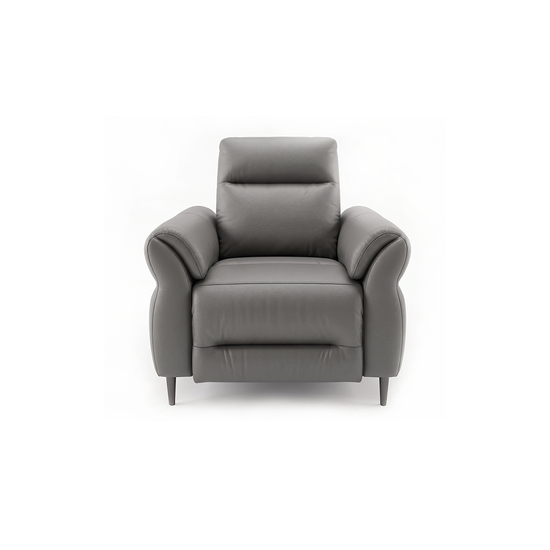
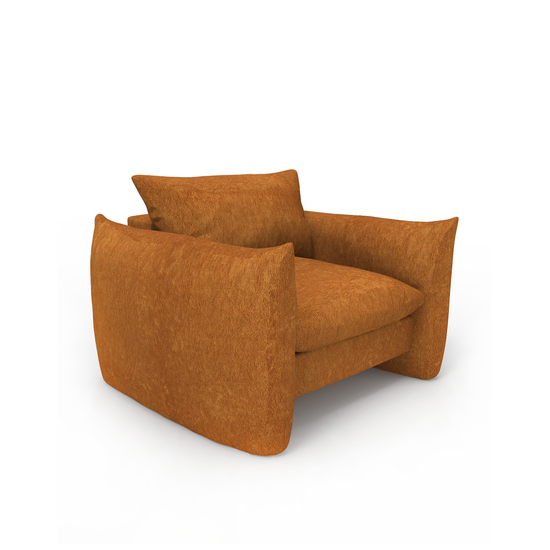
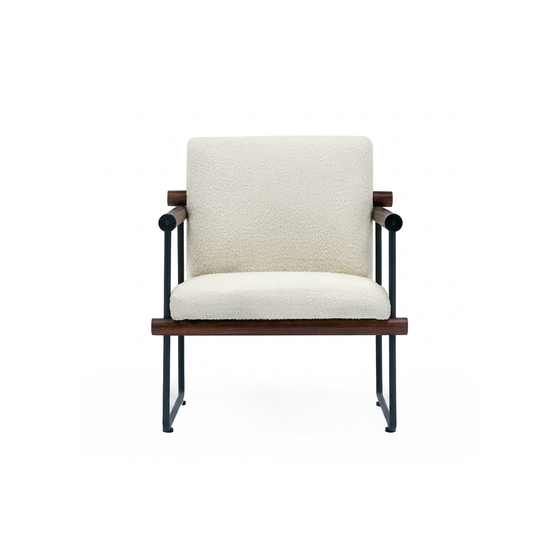
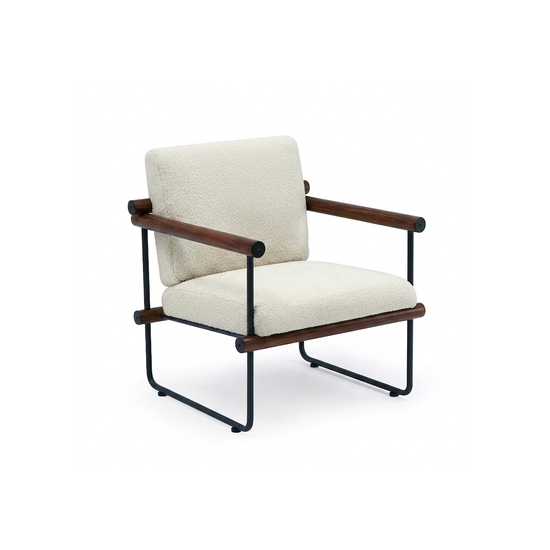
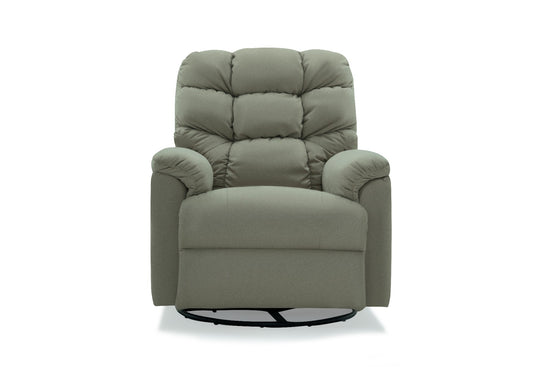
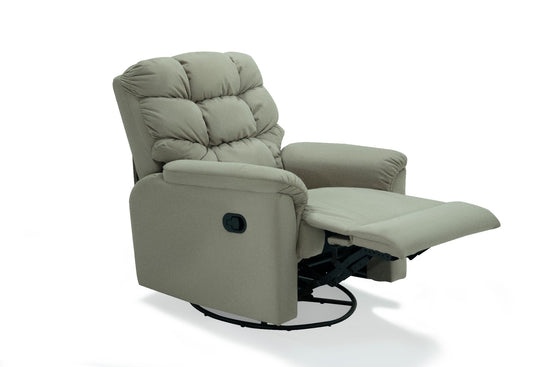
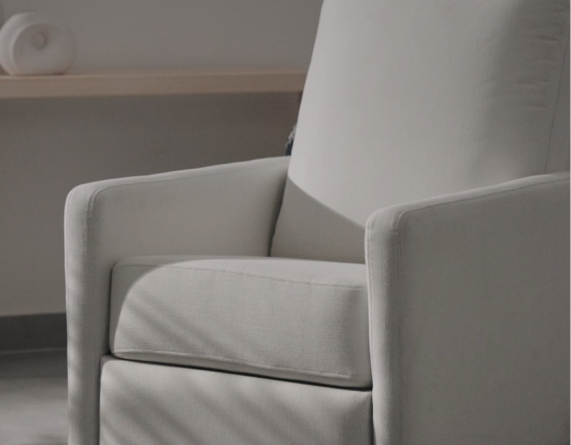
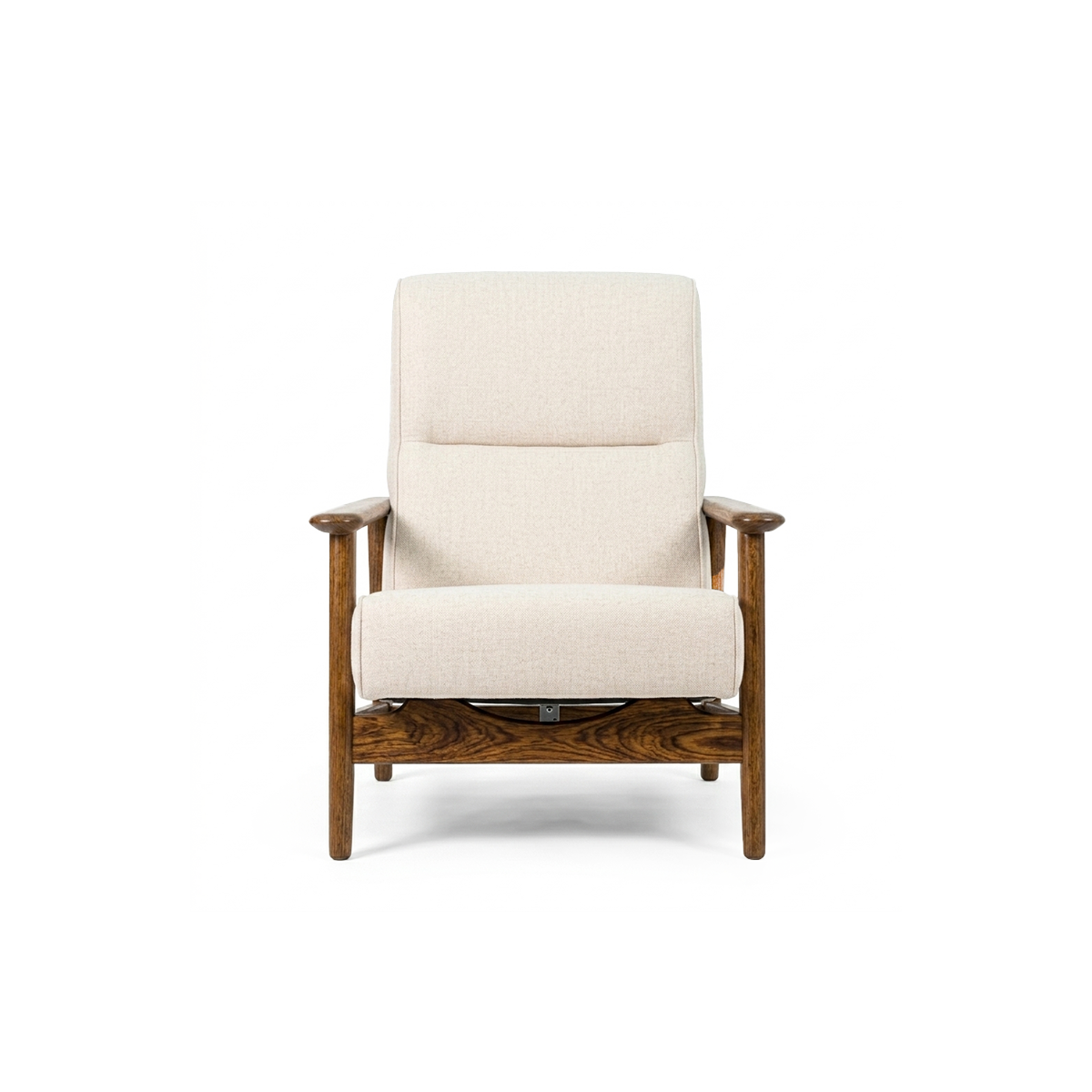
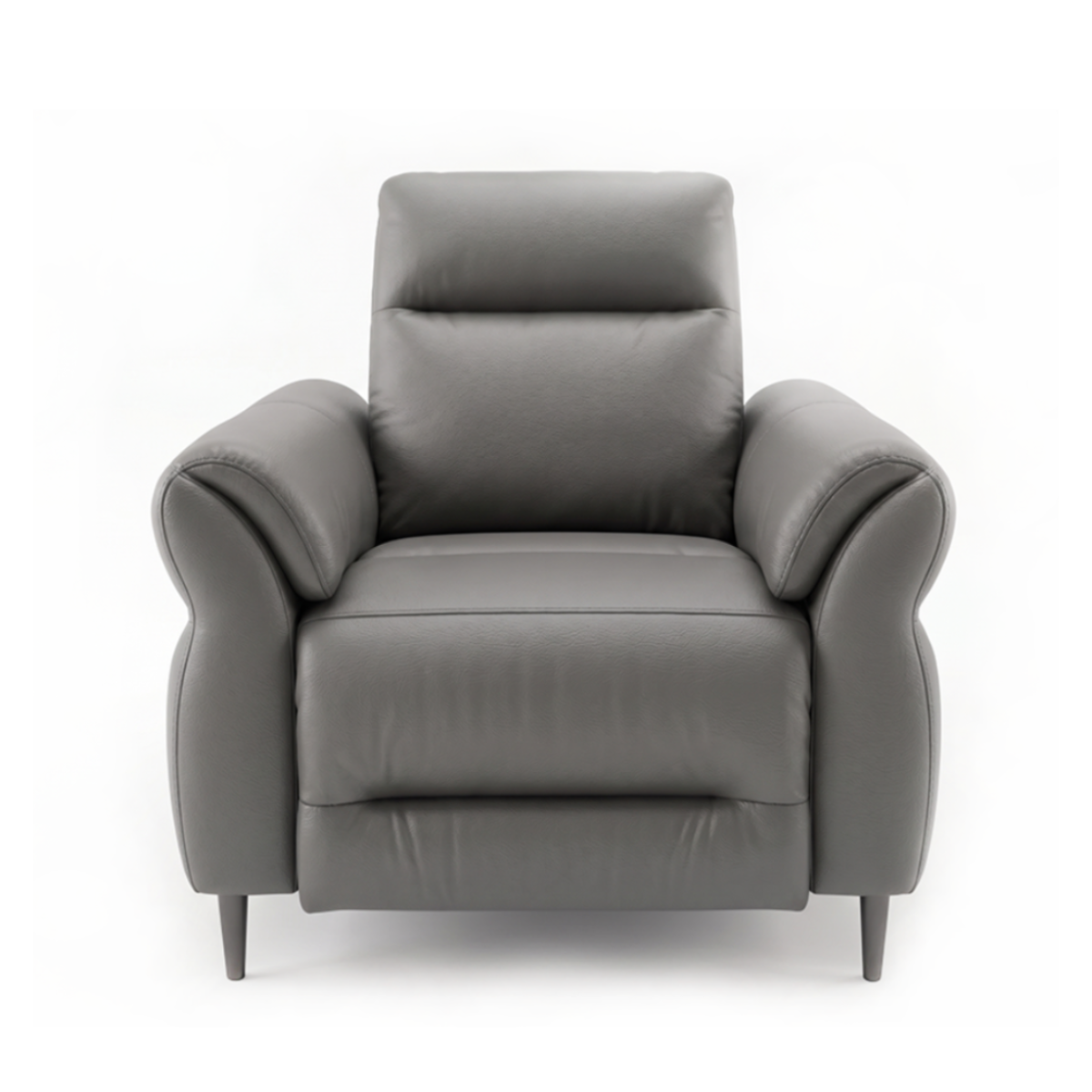
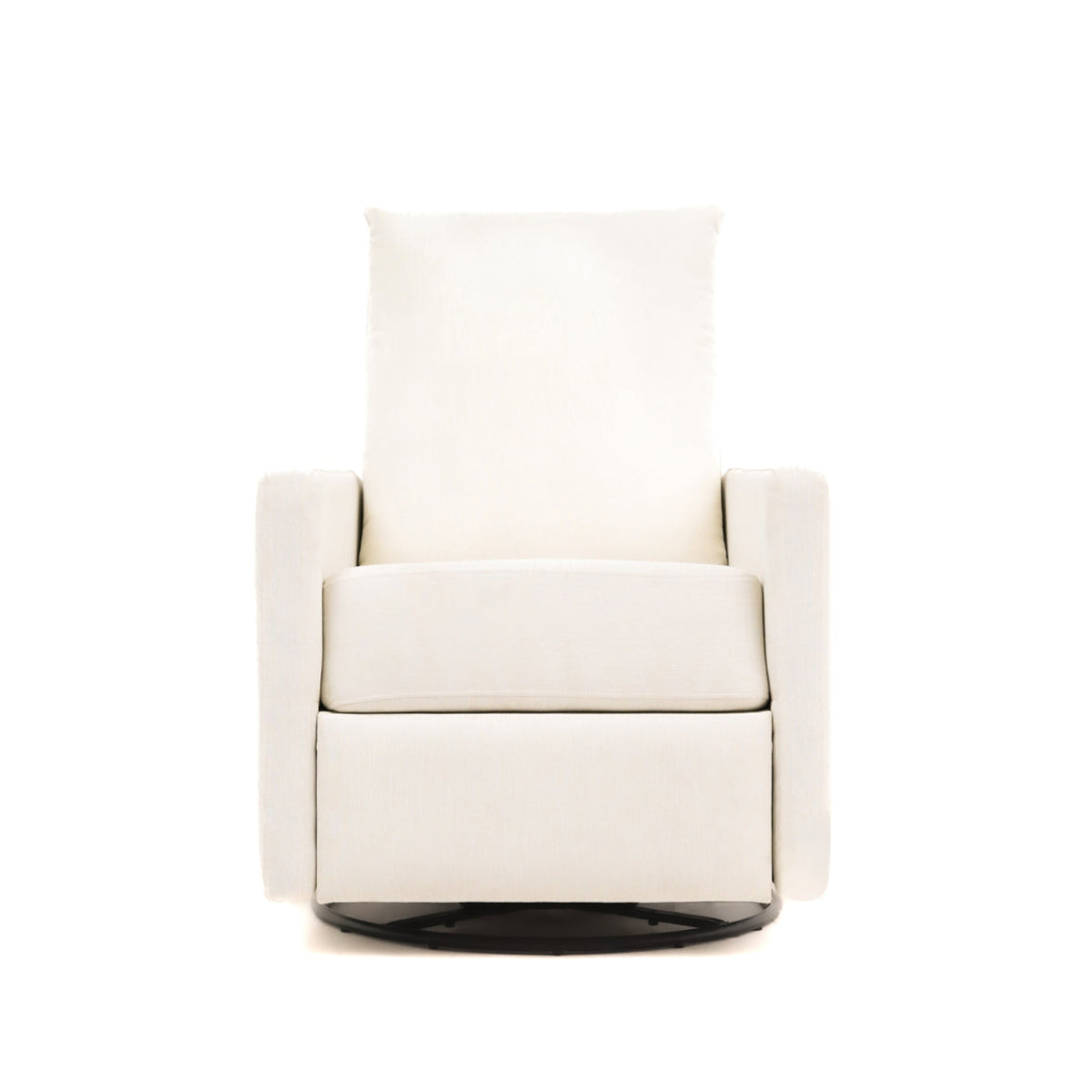
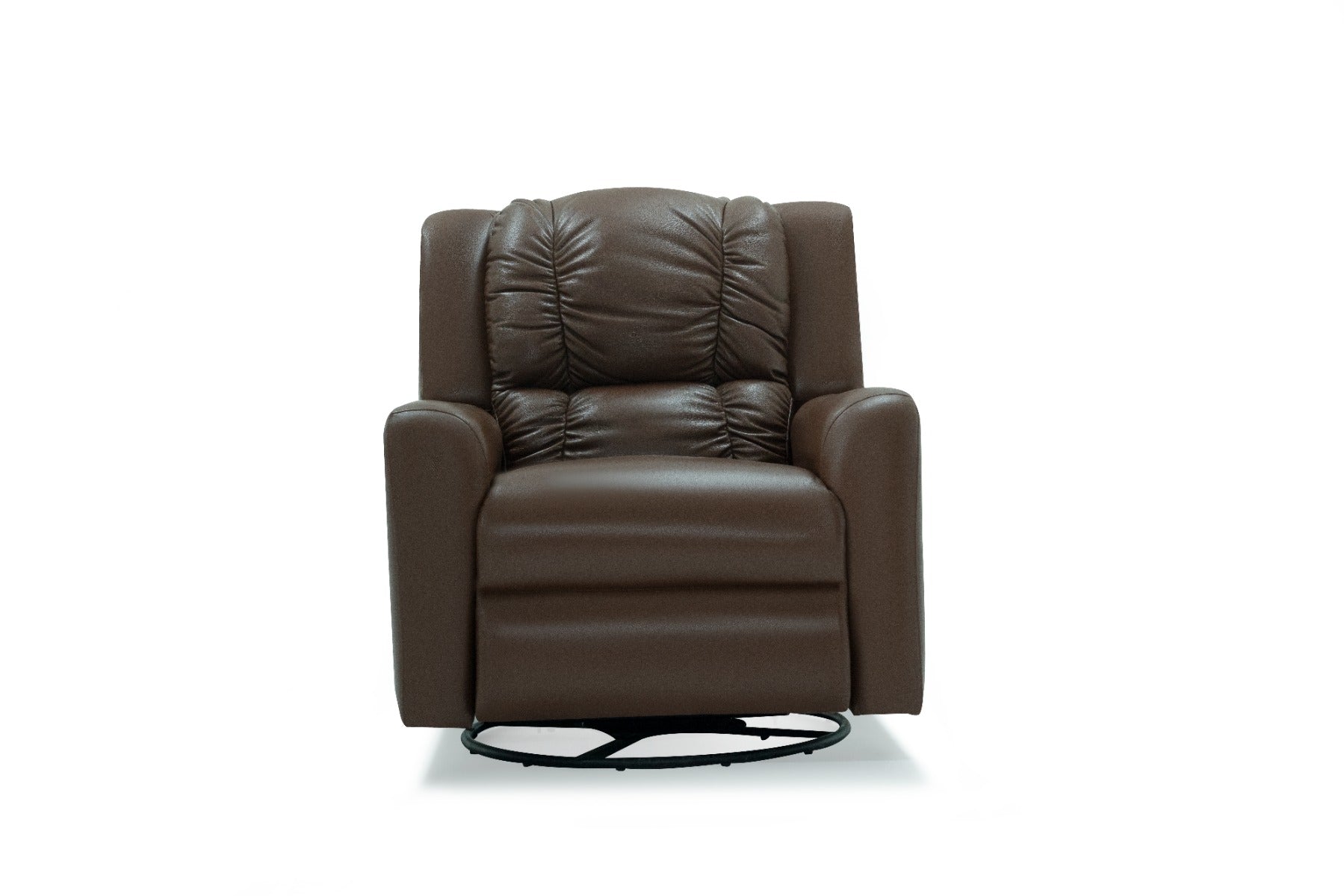
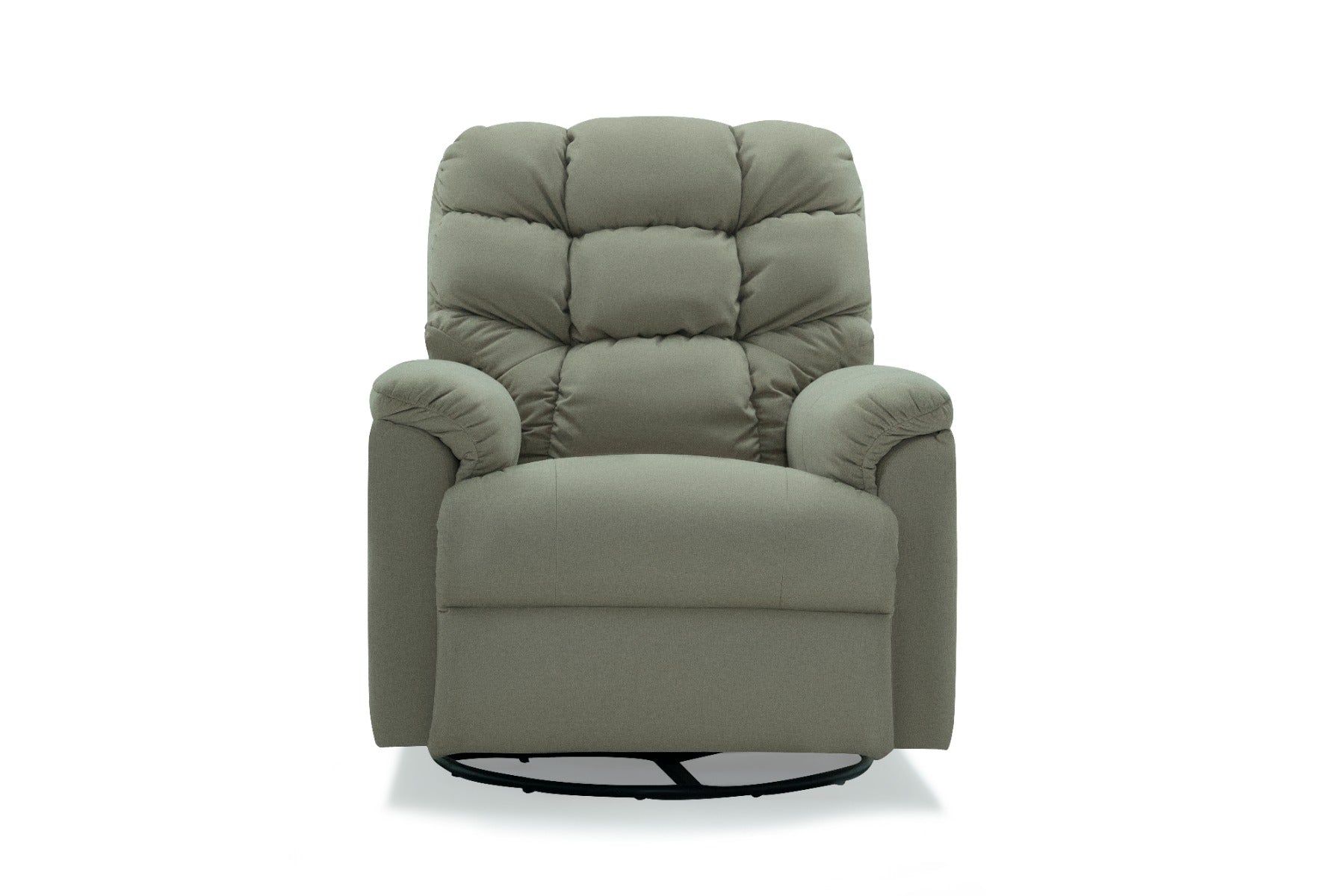
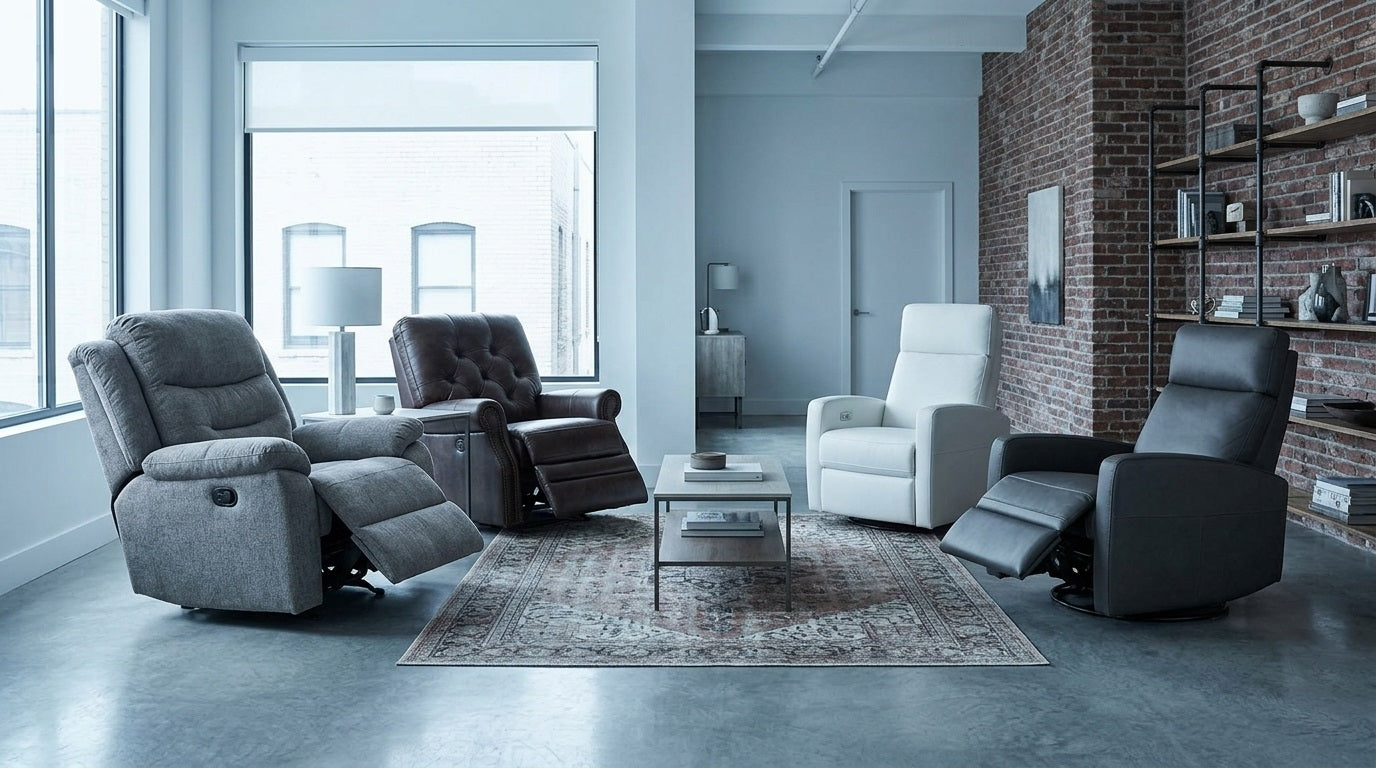
Looking for the perfect recliner to transform your living room into a luxury relaxation space? A recliner is more than just a chair; it is a personal comfort zone where you can relax after a long day, enjoy movies, read books, or spend quality time with family. With modern designs, premium materials, and advanced comfort features, recliners have become one of the most popular furniture choices for homes in Pakistan. However, choosing the right recliner can be challenging because buyers need to consider price, size, material, reclining mechanism, durability, and overall design. A high-quality recliner should provide excellent body support while matching your home interior. If you are searching for the best recliners in Pakistan, Diamond Home Pakistan offers premium-quality options designed for comfort, elegance, and long-lasting performance. Their recliner collection includes stylish models suitable for modern living rooms, home theaters, and relaxation spaces. This complete recliner buying guide will help you understand everything about the recliner price in Pakistan, important features, and the best options available from Diamond Home. What is a Recliner and Why Should You Buy One? A recliner is a specially designed chair that allows users to adjust their sitting position by lowering the backrest and raising the footrest. Unlike traditional chairs, recliners provide customized support for your back, neck, legs, and shoulders. Many homeowners choose recliners because they combine luxury with functionality. Whether you want a comfortable seat for watching television, relaxing after work, or creating a premium lounge area, a recliner can instantly improve your living space. Modern recliners are available in different styles, including manual recliners, power recliners, single-seat recliners, and luxury lounge recliners. The right choice depends on your lifestyle, available space, and budget. Factors to Consider Before Buying a Recliner 1. Recliner Size and Room Space Before purchasing a recliner, measure your available space carefully. A large luxury recliner may look attractive but can make a small room feel crowded. Consider the following: Room dimensions Distance from walls Placement with existing furniture Space required when fully reclined For spacious living rooms, oversized recliners provide maximum comfort. For smaller apartments, compact recliner chairs are a better choice. However, you should know how to measure your room for furniture in order to identify the right size of the piece you need for your space. 2. Material and Upholstery Quality The material of a recliner directly affects its appearance, comfort, and durability. Popular upholstery options include: Fabric Recliners: Fabric recliners provide softness, breathability, and a comfortable feel. They are ideal for everyday family use. Leather Recliners: Leather recliners offer a premium appearance and are easy to clean. They are perfect for luxury interiors. Premium Upholstery: High-quality upholstery provides better resistance against daily wear and maintains the furniture’s beauty for years. When buying a recliner, always focus on the quality of the frame, cushioning, and upholstery rather than only the appearance. Recliner Price in Pakistan: How Much Should You Spend? The price of a recliner in Pakistan depends on its design, material, features, and brand quality. Generally: Budget Recliners: Affordable recliners usually provide basic reclining functions and simple designs. They are suitable for buyers looking for comfort at a lower investment. Mid-Range Recliners: These models offer better cushioning, stronger construction, and improved designs for daily use. Luxury Recliners: Premium recliners include advanced comfort features, elegant finishes, and superior craftsmanship. They are designed for customers who want a high-end living experience. Diamond Home offers recliner options across different comfort levels. Important Features to Look for in a Recliner Adjustable Reclining Positions A good recliner should allow you to adjust your sitting angle according to your comfort. Different positions help users relax while watching TV, reading, or resting. Comfortable Cushioning The quality of foam and padding determines long-term comfort. Deep cushioning provides better support for your body and reduces pressure during extended sitting. Strong Frame Construction A durable internal frame ensures that your recliner remains stable and functional for many years. Smooth Reclining Mechanism The reclining system should operate smoothly without creating noise or requiring excessive effort. Ergonomic Design An ergonomic recliner supports natural body posture by providing proper alignment for the head, back, and legs. Best Recliners From Diamond Home Pakistan If you want to buy a premium recliner sofa in Pakistan, Diamond Home is one of the best places to explore. Their furniture collection focuses on modern designs, comfort, and quality craftsmanship. Here are four recommended recliners from Diamond Home: 1. Cloud Rest Recliner – Best Comfortable Recliner Choice The Cloud Rest Recliner is an excellent option for homeowners who want everyday relaxation with a modern appearance. Its comfortable design makes it suitable for living rooms, reading corners, and entertainment areas. This recliner focuses on providing a cozy seating experience with supportive cushioning and an elegant design that blends easily with different interior styles. It is ideal for: Family relaxation spaces Home movie areas Daily comfortable seating Diamond Home lists the Cloud Rest Recliner as part of its premium recliner collection. 2. Classic Comfort Recliner – Best Value Luxury Option The Classic Comfort Recliner is designed for buyers who want a combination of style and relaxation. Its timeless design makes it suitable for both modern and traditional home interiors. This recliner provides excellent comfort while maintaining a premium furniture appearance. Key benefits include: Elegant design Comfortable seating Suitable for daily use Premium home appearance It is a great choice for homeowners who want luxury without choosing an overly complicated design. 3. King Recliner – Best Premium Recliner Experience The King Recliner is designed for users who prefer spacious seating and a luxurious relaxation experience. With its premium look and comfortable structure, this recliner can become the centerpiece of your living room. It is recommended for: Large living spaces Luxury interiors Buyers seeking maximum comfort Diamond Home features the King Recliner among its premium recliner offerings. 4. Relazzo Recliner – Best Luxury Statement Piece The Relazzo Recliner is a premium option for customers who want an elegant and sophisticated furniture piece. Its stylish design and luxury appearance make it suitable for modern homes where furniture quality and aesthetics are equally important. It works perfectly in: Luxury lounges Executive rooms Premium entertainment spaces Diamond Home lists Relazzo Recliner as one of its high-end recliner options. Why Diamond Home is the Best Place to Buy Recliners in Pakistan Choosing the right furniture brand is just as important as selecting the right design. Diamond Home has built its reputation by offering modern furniture solutions with stylish designs and quality-focused craftsmanship. Customers looking for recliners in Pakistan can benefit from: Premium Designs: Diamond Home offers contemporary furniture designs that match modern home interiors. Quality Construction: Their products are designed for comfort, durability, and everyday use. Wide Furniture Collection: Along with recliners, Diamond Home provides complete living room furniture solutions. Online Shopping Convenience: Customers can explore furniture collections online and choose products according to their preferences. Wondering where to buy furniture online in Pakistan? Diamond Home stands out. Also, for anyone searching for the best place to buy recliners in Pakistan, Diamond Home is a reliable choice for premium comfort and elegant furniture designs. Manual vs Power Recliner: Which One is Better? Manual recliners are operated using body movement or a lever mechanism. They are simple, reliable, and usually more affordable. Power recliners use electric motors to adjust positions automatically. They provide extra convenience, especially for users who prefer effortless operation. Choose a manual recliner sofa if: You want a budget-friendly option You prefer a simple operation Maintenance simplicity is important Choose a power recliner if: You want maximum convenience You prefer adjustable positions You want a luxury experience Final Thoughts: Choose Comfort with the Right Recliner A recliner is an investment in comfort, relaxation, and lifestyle improvement. Before buying, consider your room size, preferred material, budget, and required features. Among the available options in Pakistan, Diamond Home stands out as an excellent destination for premium recliners. With stylish designs, comfortable construction, and multiple options, customers can find the perfect match for their homes. Whether you need a cozy chair for everyday relaxation or a luxury recliner for your dream living room, Diamond Home offers options that combine elegance, comfort, and quality. Also Read: How to Choose Furniture for a New Home FAQs 1. What is the average recliner price in Pakistan? The price of recliners in Pakistan varies depending on design, material, and features. Basic models are more affordable, while premium recliners with advanced comfort features have higher prices. 2. Which recliner is best for home use? The best recliner depends on your requirements. Cloud Rest Recliner and Classic Comfort Recliner are excellent choices for everyday home relaxation, while King Recliner and Relazzo Recliner are ideal for luxury interiors. 3. Are recliners good for back support? Yes, quality recliners provide better body support by helping users maintain comfortable sitting positions and reducing pressure on the back and legs. 4. Is Diamond Home a good place to buy recliners in Pakistan? Yes, Diamond Home is a trusted furniture destination offering premium recliners with modern designs and quality craftsmanship for Pakistani homes. 5. What should I check before buying a recliner? Before buying, check the recliner size, upholstery quality, frame strength, cushioning, reclining mechanism, and whether the design matches your room style.
Living Room Furniture Arrangement: Ideas to Create a Stylish and Functional Space
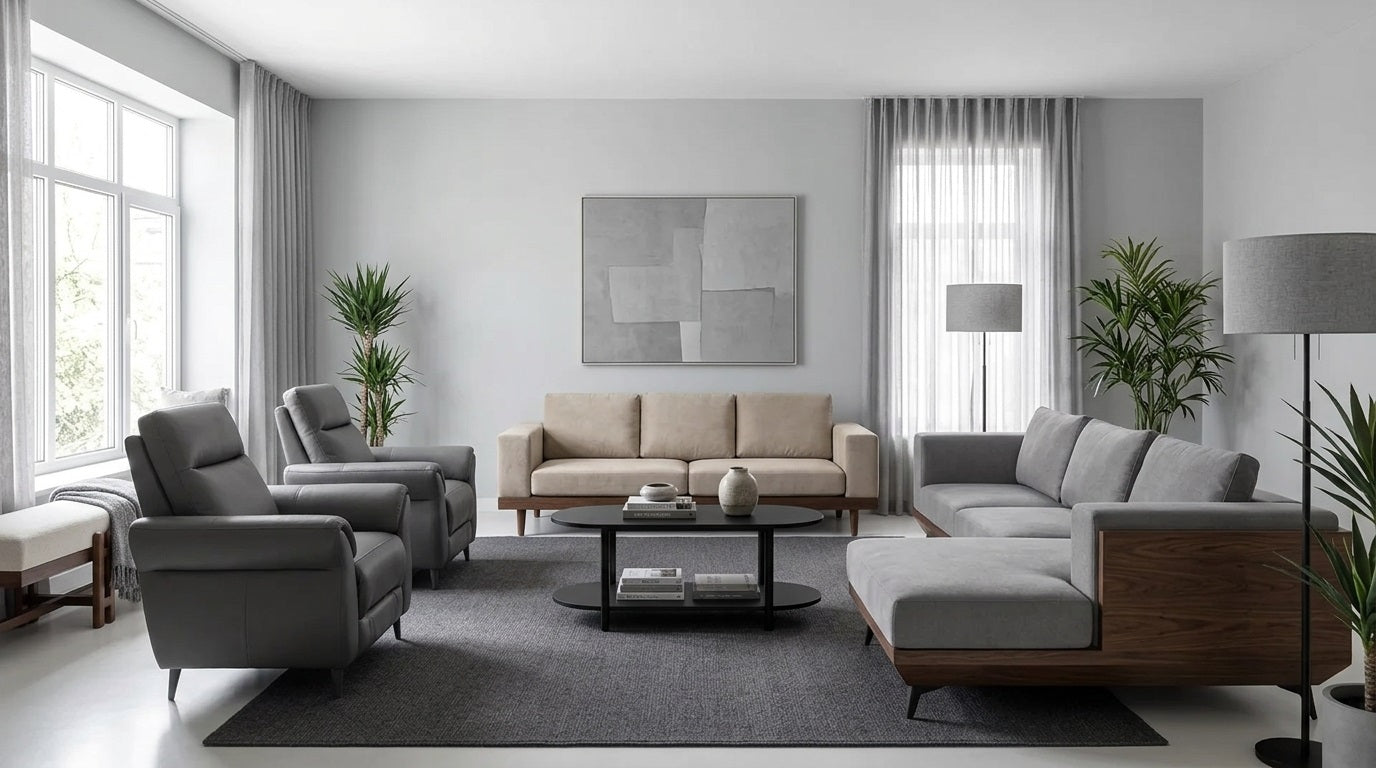
Have you ever walked into your living room and felt like something just doesn’t “flow” right, even though every piece looks perfect on its own? That’s usually not a decor problem; it’s a furniture arrangement problem. The way you position your sofa, chairs, tables, and storage pieces can completely transform your living room from cluttered and confusing to stylish, functional, and inviting. Let’s discover practical and modern living room furniture arrangement ideas that help you maximize space, improve comfort, and create a visually balanced interior that actually works for your lifestyle. The Importance of Furniture Arrangement in a Living Room A living room is more than just a seating area; it’s where you relax, entertain guests, watch TV, read, and sometimes even work. Poor furniture placement can make even a large room feel cramped or awkward. A good arrangement helps you: Improve movement and flow Make small rooms feel larger Create conversation-friendly seating areas Balance aesthetics with functionality Highlight focal points like TV, fireplace, or windows A well-arranged space doesn’t just look better; it feels better. Also, you should know how to measure room for furniture to make sure every piece fits perfectly and avoid clutter. Step 1: Identify Your Living Room Focal Point Before moving furniture around, decide what your room is centered on. Every great layout starts with a focal point. Common focal points include: Television or entertainment unit Fireplace Large window with a view Accent wall or artwork Once you know your focal point, arrange furniture so it naturally supports it. For example, in a TV-centered room, the sofa set should face or angle toward it. In a fireplace setup, seating should encourage warmth and conversation. Step 2: Choose the Right Layout Style Different rooms require different layouts. Here are the most effective living room layout ideas based on space and purpose. 1. Symmetrical Layout (Classic & Balanced) Perfect for traditional and formal living rooms. Sofa in the center Two identical chairs on both sides Coffee table in the middle This creates a clean, structured look that feels elegant and organized. 2. Asymmetrical Layout (Modern & Creative) Best for contemporary homes. One large sofa paired with different chairs Off-centered coffee table Creative balance instead of perfect matching This style feels relaxed and visually interesting. 3. Open-Concept Layout (For Modern Homes) Ideal for apartments or homes with combined kitchen/living areas. Use sofas to divide spaces Rugs define zones Space saving furniture for flexibility This keeps the space open while still structured. 4. Floating Furniture Layout (Spacious Feel) Instead of pushing everything against walls: Pull the sofa toward the center Place console tables behind seating Create walking space around furniture This works especially well in large living rooms. Step 3: Master the Sofa Placement The sofa is the anchor of your living room. Its position defines the entire flow. Here are smart sofa set placement tips: Against the wall for small rooms Floating in the center of large rooms Facing the focal point directly L-shaped arrangement for corner optimization Avoid placing all furniture against walls. It can make the space feel empty in the middle. Step 4: Create Functional Conversation Areas A stylish living room is not just about looks; it should also encourage interaction. To create a conversation-friendly layout: Keep seating within 8 to 10 feet of each other Arrange chairs facing or slightly angled inward Use a central coffee table to connect seating Avoid blocking pathways between seats This is especially important if you entertain guests often. Step 5: Balance Scale and Proportion One of the most common furniture design mistakes is using furniture that doesn’t match the room size. For small living rooms: Use compact sofas Choose armless chairs Avoid bulky furniture Use glass or light-colored tables Also Read: Small Living Room Ideas Using Modern Sofa Sets For large living rooms: Use sectional sofas Add accent chairs Include side tables and floor lamps Use larger rugs to ground the space Proper scaling ensures your room doesn’t feel overcrowded or empty. Step 6: Use Rugs to Define Zones Rugs are powerful tools in furniture arrangement. They visually organize the space. Tips for using rugs effectively: Place the front legs of the furniture on the rug Use large rugs for open layouts Match rug size with seating area Avoid rugs that are too small (they shrink the space visually) A rug helps “anchor” your furniture and creates a cohesive look. Step 7: Optimize Traffic Flow A beautiful living room is useless if it’s hard to move around. Keep these flow rules in mind: Leave 30 to 36 inches between walkways Don’t block doorways or windows Avoid placing furniture in main walking paths Create clear entry and exit routes Good flow makes the room feel naturally comfortable. Step 8: Add Functional Accent Pieces Accent furniture adds personality while improving usability. Some great additions include: Side tables for convenience Storage ottomans for clutter control Bookshelves for vertical space usage Floor lamps for layered lighting But remember “less is more.” Overcrowding reduces functionality. Step 9: Lighting Placement Completes the Arrangement Lighting plays a huge role in how your furniture layout feels. Use layered lighting: Ceiling lights for general brightness Floor lamps beside sofas for reading Table lamps for warm ambiance Natural light as much as possible Place lights strategically to highlight seating zones and focal points. Step 10: Common Furniture Arrangement Mistakes to Avoid Even stylish rooms can fail if layout basics are ignored. Avoid these mistakes: Pushing all furniture against the walls Ignoring traffic flow Using oversized furniture in small rooms Poor spacing between seating pieces Blocking natural light sources Fixing these instantly improves your room’s feel. Elevate Your Space With Perfect Arrangement! Creating a stylish and functional living room is not about expensive furniture; it’s about smart arrangement. When you understand balance, spacing, focal points, and flow, even simple furniture can look high-end. The best living room furniture arrangement is the one that fits your lifestyle, supports movement, and reflects your personality. Whether you prefer a modern open layout or a cozy symmetrical setup, thoughtful placement will always elevate your space. Looking to buy furniture online in Pakistan? Explore the Diamond Home collection and find your desired living room furniture, including sofa sets, sectionals, coffee tables, and much more. FAQs 1. What is the best layout for a small living room? The best layout for small spaces is a wall-facing sofa arrangement with minimal furniture. Using light colors, compact pieces, and multi-functional items helps maximize space. 2. How do I arrange furniture in a rectangular living room? Divide the room into zones. Place the sofa along the longer wall and use chairs or rugs to create separate seating and walking areas. 3. Should the sofa face the TV or the center of the room? Ideally, the sofa should face the main focal point, which is usually the TV or fireplace. However, in open spaces, angled seating can improve conversation flow. 4. How far should furniture be placed from each other? Keep seating about 3 to 10 feet apart depending on room size. Coffee tables should be within easy reach but not obstruct movement. 5. How can I make my living room look more spacious? Use floating furniture layouts, mirrors, light colors, minimal clutter, and appropriately sized rugs. Keeping pathways open also creates a larger visual feel.