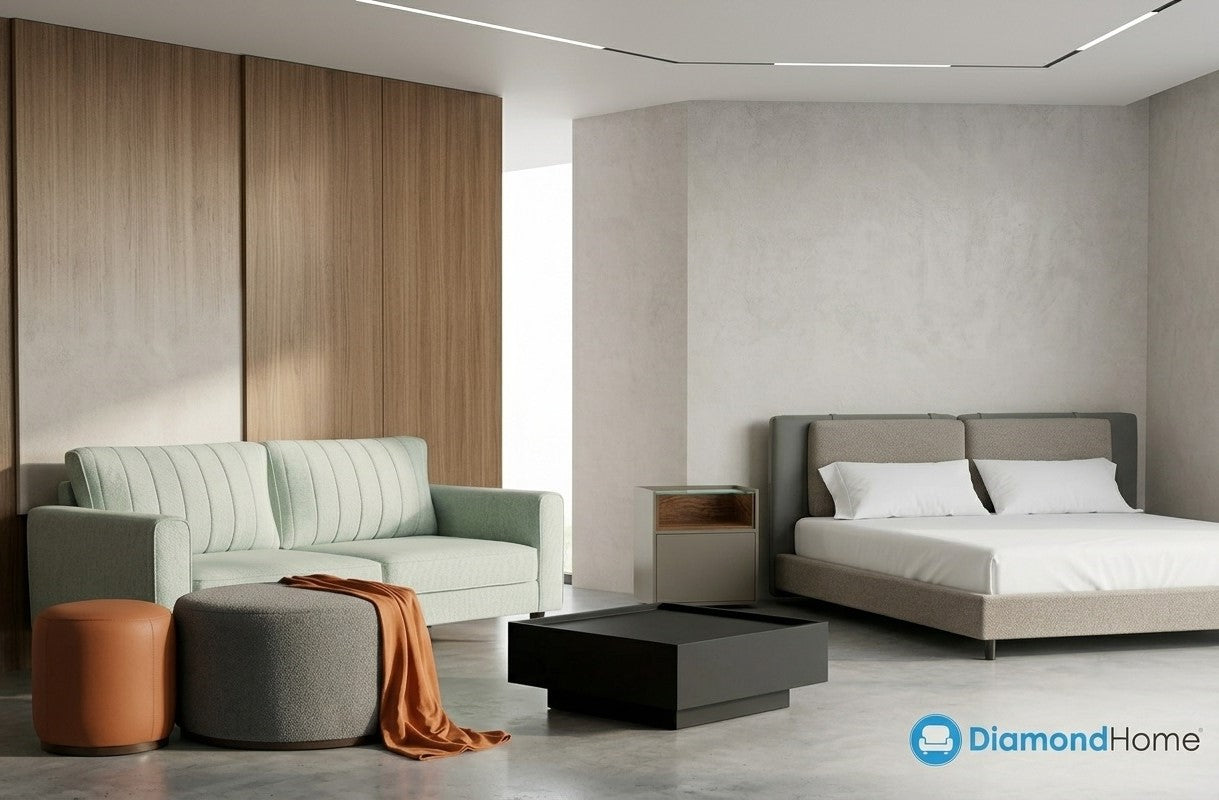
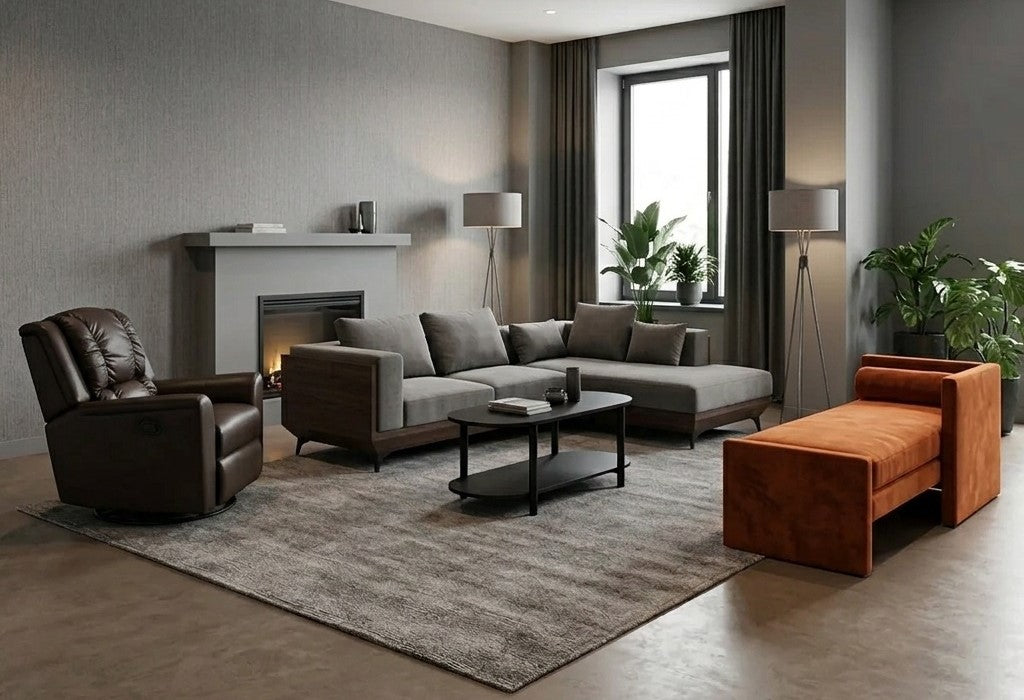
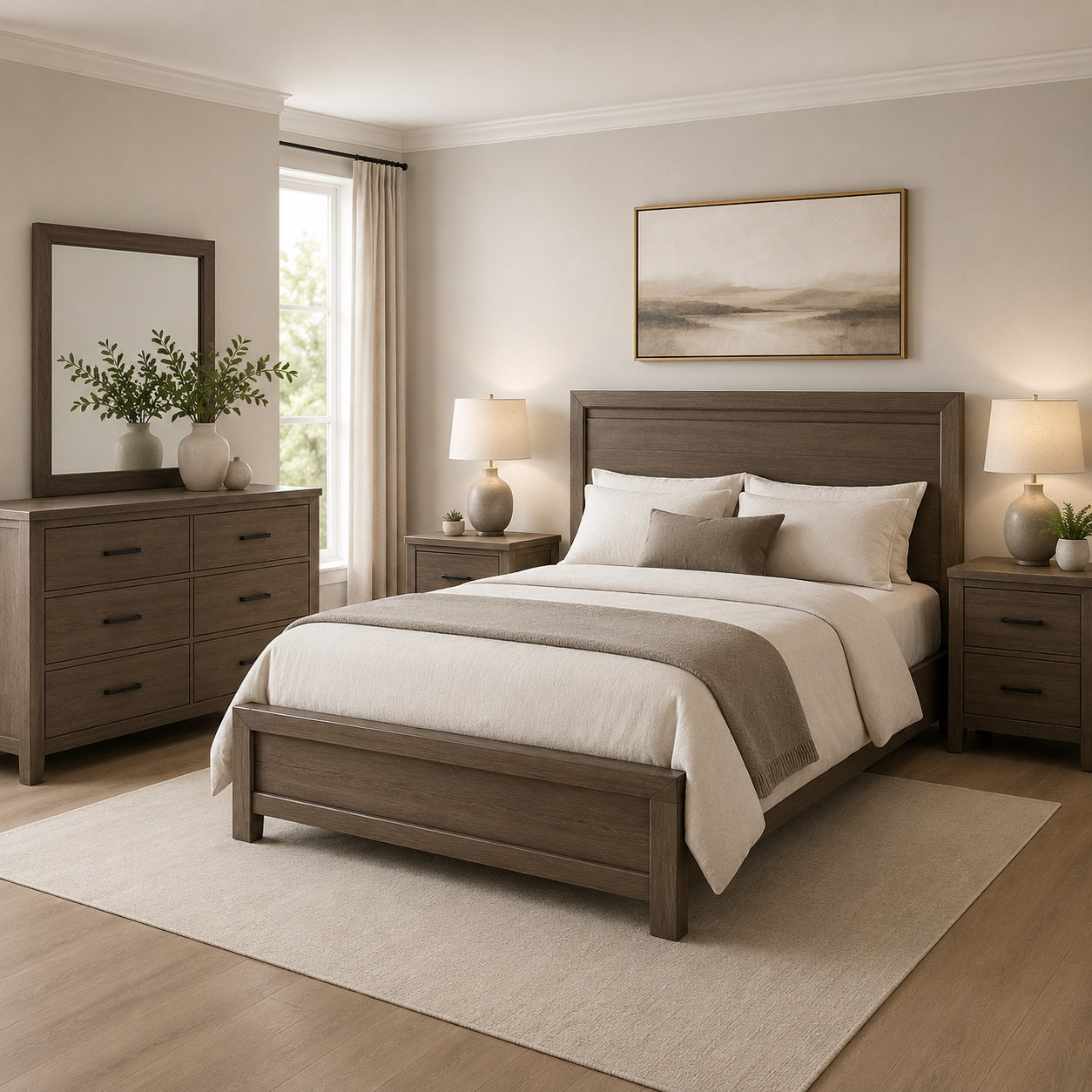
Ever bought a piece of furniture only to realize it doesn’t fit through the door? Few things are more frustrating than investing in new furniture and discovering it's either too large for the room, blocks walkways, or simply looks out of place. Whether you're furnishing a new home, redecorating a living room, or upgrading your bedroom, accurate room measurements are essential.
Taking a few minutes to measure your space properly can save you time, money, and unnecessary stress. It also helps you create a balanced layout that feels comfortable and functional.
In this guide, we will help you identify how to accurately measure your room for furniture, avoid common mistakes, and ensure every piece fits perfectly.

Why Measuring Your Room Matters Before Buying Furniture
Furniture shopping often focuses on style, color, and comfort. However, size is equally important. Proper measurements help you:
✔ Avoid buying furniture that's too large or too small
✔ Maintain a comfortable walking space
✔ Improve room functionality
✔ Prevent delivery issues
✔ Create a visually balanced layout
✔ Maximize available space
Without accurate measurements, even the most beautiful furniture can make a room feel cramped and uncomfortable.
Essential Tools You'll Need
Before you start measuring, gather these basic tools:
|
Tool |
Purpose |
|
Measuring Tape |
Measure room dimensions |
|
Notebook or App |
Record measurements |
|
Graph Paper |
Draw room layouts |
|
Pencil |
Mark dimensions |
|
Laser Measure (Optional) |
Faster and more accurate measurements |
|
Smartphone Camera |
Document room details |

Step 1: Measure the Length and Width of the Room
Start by measuring the entire room from wall to wall. Measure:
- Room length
- Room width
- Ceiling height
Record everything in inches, feet, or centimeters consistently.
Example:
|
Dimension |
Measurement |
|
Length |
18 ft |
|
Width |
14 ft |
|
Ceiling Height |
9 ft |
These measurements form the foundation of your furniture layout plan.
Step 2: Measure Doors, Hallways, and Entry Points
Many homeowners forget this crucial step. Before purchasing furniture, measure:
- Front door width
- Interior doors
- Hallways
- Staircases
- Elevators (for apartments)
A sectional sofa design in Pakistan may fit perfectly inside the room, but fail to pass through the entrance. Also, measure the narrowest point along the delivery path.
Step 3: Identify Fixed Features
Every room contains elements that cannot be moved. Measure and mark:
- Windows
- Built-in cabinets
- Fireplaces
- Electrical outlets
- Air vents
- Columns
- Sliding doors
These features affect furniture placement significantly. For instance, a large bookcase may block a window, while a sofa could cover electrical outlets.
Step 4: Create a Simple Floor Plan
Sketch your room on paper. Include:
- Walls
- Doors
- Windows
- Built-in features
The drawing doesn't need to be perfect. A basic floor plan helps visualize furniture placement before purchasing. Use a scale such as:
- 1 inch = 1 foot
- 1 cm = 10 cm
Scaled drawings make planning much easier.
Step 5: Leave Enough Walking Space
One of the biggest interior design mistakes is overcrowding a room. Experts recommend:
|
Area |
Recommended Clearance |
|
Main Walkways |
30–36 inches |
|
Around Coffee Tables |
14–18 inches |
|
Dining Chairs |
36 inches |
|
Bed Sides |
24–30 inches |
|
Sofa to TV |
Based on TV size |
Adequate clearance improves comfort and movement.
Step 6: Measure Existing Furniture
If you're adding new pieces to existing furniture, measure everything already in the room. Record:
- Width
- Height
- Depth
This helps maintain proportional balance. For instance, a small side table may look awkward next to an oversized sectional sofa. Furniture should complement each other in scale.
Step 7: Consider Furniture Depth
Many buyers focus only on width. Depth is equally important. Examples:
|
Furniture Type |
Average Depth |
|
Sofa |
35–40 inches |
|
Armchair |
30–38 inches |
|
Dining Chair |
20–25 inches |
|
Coffee Table |
18–24 inches |
|
Dresser |
18–24 inches |
Depth directly affects usable floor space.
Step 8: Measure Vertical Space
Don't forget to look upward. Measure:
- Ceiling height
- Window height
- Shelf clearance
- Door height
This is especially important when buying:
- Wardrobes
- Entertainment units
- Bookcases
- Storage cabinets
A tall cabinet may not fit under low ceilings or decorative moldings.
Common Room Measurement Mistakes to Avoid
Many homeowners make avoidable errors, such as:
Measuring Only One Wall
- Rooms are not always perfectly square.
- Measure every wall individually.
Ignoring Door Swing Space
- Doors need clearance to open fully.
Forgetting Furniture Depth
- Depth affects traffic flow more than many people realize.
Not Measuring Delivery Routes
- Furniture must reach the room before it can be placed there.
Buying Based on Photos Alone
- Different furniture brands in Pakistan provide online images that can be misleading. Always check the exact dimensions.
Recommended Room-to-Furniture Size Guide
|
Room Size |
Suggested Sofa Size |
|
Small (Up to 150 sq ft) |
Loveseat or 2-Seater |
|
Medium (150–250 sq ft) |
3-Seater Sofa |
|
Large (250–400 sq ft) |
Sectional Sofa |
|
Extra Large (400+ sq ft) |
Large Sectional + Accent Chairs |
Using proportional furniture creates a more balanced and inviting space.
Pro Trick: Use Painter's Tape Before Buying
A professional designer's trick is to use painter's tape. Mark the exact dimensions of furniture on the floor. This allows you to:
- Visualize size
- Test traffic flow
- Identify crowded areas
- Compare different furniture options
- It's one of the easiest ways to avoid costly mistakes.
Conclusion: Ensure a Clean, Clutter-Free Space!
Accurately measuring your room before buying furniture is one of the smartest steps in the furnishing process. Make sure to measure room dimensions, entryways, windows, fixed features, and clearance zones in order to create a comfortable and visually appealing space that works for your lifestyle.
A few careful measurements today can prevent expensive returns, delivery problems, and design regrets tomorrow. Whether you're furnishing a living room, bedroom, dining room, or looking for complete modern home furniture, accurate room measurements ensure every piece fits perfectly and enhances your home's overall functionality!
Frequently Asked Questions (FAQs)
1. How do I measure a room for furniture accurately?
Measure the room's length, width, and height. Also measure doors, windows, hallways, and any fixed features. Create a simple floor plan and compare furniture dimensions before purchasing.
2. How much space should I leave between furniture pieces?
Interior design experts recommend leaving 30–36 inches for main walkways and 14–18 inches between a sofa and a coffee table.
3. Should I measure furniture delivery paths?
Yes. Always measure doors, hallways, staircases, and elevators to ensure furniture can be delivered successfully.
4. What is the easiest way to visualize furniture placement?
Use painter's tape on the floor to outline the furniture dimensions. This helps you see how much space each piece will occupy.
5. Why is furniture depth important when measuring a room?
Furniture depth affects walking space and traffic flow. Even if a piece fits wall-to-wall, excessive depth can make a room feel cramped and uncomfortable.