

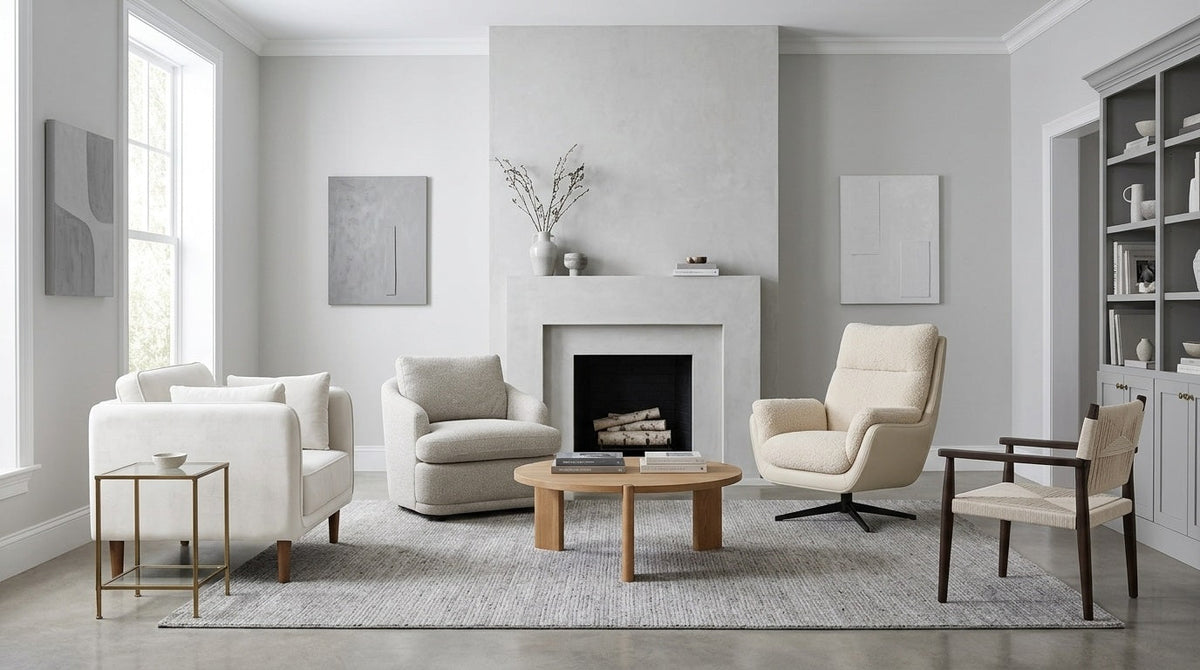
What is an Accent Chair? Types, Uses, and Styling Ideas for Your Home
A well-designed room is not just about choosing the right sofa, coffee table, or bed design. Sometimes, a single piece of furniture can make a noticeable difference to the entire interior. An accent chair is one such addition. It brings personality to a space, provides extra seating, and creates an opportunity to introduce a different color, texture, or design into your home. Whether you want to refresh your living room, create a comfortable reading corner, or add character to an empty bedroom corner, the right accent chair can make your interior feel more complete. However, with so many styles and designs available, choosing one that complements your existing furniture can be challenging. Understanding what an accent chair is, the different types available, and how to style it can help you make a more suitable choice for your space. What is an Accent Chair? An accent chair is a standalone chair selected to complement a room's existing furniture while adding visual interest and additional seating. Unlike chairs that are chosen primarily for a specific function, such as dining or office chairs, accent bedroom chairs are valued for both their appearance and practicality. They often feature distinctive shapes, upholstery, colors, textures, or decorative details that make them stand out from the surrounding furniture. An accent chair can complement a sofa design through similar design elements or create contrast by introducing a different color or material. For example, placing a curved upholstered chair beside a simple sofa can soften the overall appearance of a living room. Similarly, a chair with a distinctive wooden frame can introduce warmth into an interior dominated by fabric home furniture. Accent chairs are available in various sizes and designs, making them suitable for spacious living rooms, compact apartments, bedrooms, and reading areas. Different Types of Accent Chairs for Your Home Accent chairs come in many styles, each offering a different appearance and seating experience. Understanding their characteristics can help you identify a design that works with your interior and intended use. 1. Armchairs Armchairs are among the most versatile options for home interiors. They feature armrests and usually have an upholstered seat and backrest, making them suitable for everyday seating. Their designs range from simple contemporary styles to more detailed traditional options. An upholstered armchair can sit beside a sofa, complement a bedroom interior, or provide comfortable seating in a home office. 2. Lounge Chairs Lounge chairs are designed for relaxed seating. They generally have a more laid-back appearance, with comfortable proportions and designs that encourage you to sit back and unwind. Some lounge chairs feature angled backrests, extended seats, or matching footrests. They work particularly well in spacious living rooms, TV lounges, and bedrooms where relaxation is a priority. 3. Barrel Chairs Barrel chairs are recognized by their rounded backs and curved sides, which create a distinctive, enclosed seating shape. Their compact appearance makes them an interesting addition to living rooms and bedrooms. They can also soften interiors with straight-lined sofas, rectangular coffee tables, and angular furniture. Depending on the upholstery and frame, barrel chairs can complement both contemporary and classic interiors. 4. Wingback Chairs Wingback chairs feature a high backrest with extended side panels near the upper portion of the chair. Traditionally associated with classic interiors, they can also work in contemporary spaces when designed with simpler upholstery and finishes. Their distinctive shape makes them suitable for reading corners, bedrooms, and formal sitting areas. A wingback chair can also become a focal point when placed beside a window or fireplace. 5. Swivel Chairs Swivel chairs feature a rotating base that allows the user to turn in different directions without moving the entire chair. This makes them a practical option for open-plan living areas and multipurpose rooms. They can be positioned towards a sofa for conversations, turned towards a television, or adjusted to face a window. Their functionality and varied designs make them suitable for contemporary homes. 6. Slipper Chairs Slipper chairs are generally armless and feature a relatively low seat. Their streamlined structure makes them useful when floor space is limited. They can fit comfortably into bedroom corners, dressing areas, and smaller living rooms. Their simple design also makes them easier to incorporate into interiors where larger furniture pieces already occupy most of the space. 7. Statement Chairs Statement chairs are designed to attract attention through their distinctive shapes, upholstery, proportions, or decorative details. They may feature unusual silhouettes, contrasting materials, bold colors, or sculptural frames. A statement chair can serve as the main decorative feature of an otherwise understated room. What Are the Uses of an Accent Chair? An accent chair is more than a decorative furniture piece. It can serve several practical purposes throughout your home. Additional Seating for Guests One of the most common uses of an accent chair is providing extra seating. Placing one or two chairs around your existing sofa creates a more welcoming arrangement for family gatherings and conversations. Creating a Reading Corner An unused corner near a window can become a comfortable reading area with an accent chair. Add a floor lamp and a small side table to create a dedicated space for reading, relaxing, or enjoying your morning coffee. Adding Character to Your Interior If your living room has neutral walls, simple furniture, and minimal decoration, an accent chair can introduce a new visual element. A contrasting color, interesting fabric, or distinctive shape can make the room feel more inviting. Making Better Use of Empty Spaces Empty corners and unused areas can make a room feel incomplete. A carefully selected accent chair can fill these spaces without requiring a complete furniture makeover. Creating a Comfortable Bedroom Seating Area An upholstered chair in the bedroom provides a convenient place to sit while getting ready, reading, or relaxing. It can also complement other bedroom furniture and make the overall arrangement feel more balanced. How to Style an Accent Chair in Different Rooms Choosing an attractive chair is only one part of creating a well-designed interior. Its placement and relationship with surrounding furniture also matter. Here are some practical accent chair styling ideas for different areas of your home. 1. Style It Beside Your Living Room Sofa The living room is one of the most suitable places for an accent chair. Position it beside your main sofa or across from it to create a comfortable seating arrangement. For a balanced appearance, choose a chair that complements your sofa without necessarily matching it. You can introduce a different upholstery texture, a contrasting shade, or a distinctive shape. If your living room is spacious, consider placing two accent chairs opposite the sofa to create a more organized conversation area. 2. Create a Bedroom Reading Corner An empty bedroom corner can become a useful relaxation spot with a comfortable accent chair. Position it near a window where natural light is available, and add a small table for books or personal belongings. Choose a design that complements your bed, bedside tables, and other bedroom furniture. A simple upholstered chair can work particularly well in bedrooms with understated interiors. 3. Add a Chair to Your Home Office A home office does not always need to consist entirely of a desk and office chair. An accent chair can introduce a more relaxed seating option where you can read, take breaks, or have informal conversations. Select a design that fits the available floor space and complements the overall office furniture. 4. Make an Entrance More Welcoming If your entrance or hallway has enough space, a small accent chair can make it feel more inviting. Place it beside a console table or against an empty wall to create a simple seating arrangement. Avoid oversized designs in narrow hallways, as they can obstruct movement and make the entrance feel crowded. 5. Pair It With a Footrest A chair with a matching footrest can create a more comfortable relaxation area. This arrangement works particularly well in bedrooms, TV lounges, and reading corners. Choose a footrest that complements the chair's design and does not interfere with the surrounding walking space. How to Choose the Right Accent Chair for Your Home Before purchasing an accent chair, consider the following factors to find a design that suits your interior and everyday requirements. Available Space: Measure the area where you intend to place the chair. Consider its overall width, depth, and height, along with enough clearance for comfortable movement. You should first identify how to measure room for furniture. Design and Shape: Look at your existing furniture before selecting a chair. Curved designs can soften angular interiors, while structured silhouettes can complement contemporary furniture. Color Coordination: Your accent chair does not have to match your sofa. Instead, choose a shade that complements your existing color palette. Neutral interiors can benefit from a contrasting chair, while colorful rooms may look better with a more understated option. Upholstery and Material: Consider the fabric, texture, and finish of the chair. Choose materials that suit your interior and are practical for your household's everyday use. Comfort and Support: Pay attention to the seat depth, backrest, armrests, and overall proportions. If you plan to use the chair regularly, comfort should be just as important as appearance. Placement and Function: Decide whether the chair will primarily provide additional seating, create a reading corner, or serve as a decorative feature. Its intended use will help narrow down the most suitable designs. Explore Stylish Chairs at Diamond Home The right chair can bring together the different elements of your interior while providing practical seating for everyday life. Whether you prefer a distinctive statement piece, a relaxed lounge chair, or a versatile upholstered design, choosing furniture that complements your space can make your home feel more inviting. Also Read: Wooden vs Upholstered Bed Designs Explore the Diamond Home Chairs Collection to discover a range of designs for different interior preferences and seating needs. Find a chair that complements your existing furniture and adds a distinctive touch to your home. Frequently Asked Questions 1. What is the purpose of an accent chair? An accent chair adds visual interest, extra seating, and personality to a room. It can complement existing furniture, introduce contrasting colors or textures, and create a comfortable seating area in living rooms, bedrooms, and other spaces. 2. What is the difference between an accent chair and an armchair? An accent chair is selected primarily to complement a room's interior while providing additional seating. An armchair is defined by its armrests and seating structure. An armchair can also serve as an accent chair when its design adds character to the space. 3. Where should you place an accent chair in your home? You can place an accent chair beside a living room sofa, near a bedroom window, in a reading corner, or in a spacious hallway. Choose a location that provides enough room for comfortable seating and movement. 4. Should an accent chair match your sofa? No, an accent chair does not need to match your sofa exactly. Choosing a complementary color, contrasting fabric, or different design can create visual interest while maintaining a coordinated interior. 5. How do I choose the right accent chair for my living room? Consider your available space, existing furniture, color scheme, upholstery, and seating requirements. Choose a chair that complements your interior, provides comfortable support, and fits naturally into your living room layout.