

How to Choose the Right Coffee Table Size for Your Sofa
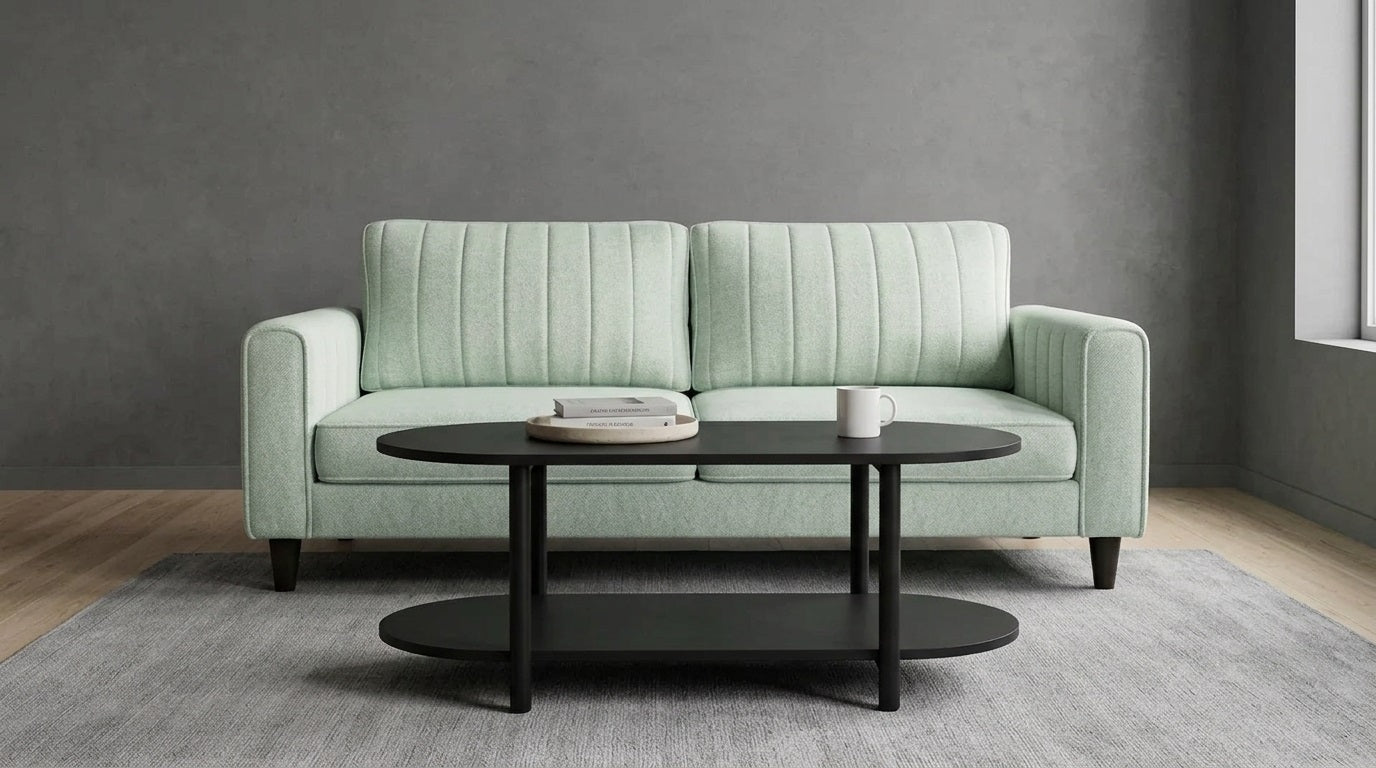
How tall should a coffee table be? Ideally, the table should be around the same height as your sofa seat or slightly lower. A height of about 16 to 18 inches works well with many standard sofas, but the right choice depends on your seating height, room layout, and how you plan to use the table. Choosing the right coffee table size is not only about how the table looks. Its length, width, and height should work with your sofa set and leave enough space for people to move around comfortably. A table that is too large can make a living room feel crowded. One that is too small may look out of proportion and be less useful. Here is how to choose the right dimensions for your space. What Size Coffee Table Goes With a Sofa? As a general rule, your coffee table should be about two-thirds the length of your main sofa. This creates a balanced look without making the table dominate the seating area. For example: 6-foot sofa: Look for a table around 3.5 to 4.5 feet long. 7-foot sofa: A table around 4 to 5 feet can work well. Large sectional: Consider a wider rectangular or square table that can serve several seats. Compact sofa: Choose a smaller round, oval, or rectangular table to keep the room open. These are starting points, not strict rules. Your room shape and the placement of other furniture should also guide your choice. How Tall Should a Coffee Table Be? The ideal height is usually equal to or slightly lower than the sofa seat. A difference of around 1 to 2 inches below the seat often creates an easy reach from the sofa. For example, if your sofa seat is 18 inches high, a table around 16 to 18 inches tall may be suitable. Avoid choosing a table that is significantly higher than the sofa seat. It can feel awkward when reaching for drinks, books, or other items. A very low table can also be inconvenient if you regularly use it while sitting. Before buying, measure the actual seat height of your sofa rather than relying only on standard furniture dimensions. Leave Enough Space Around the Table The space between the seating and table is just as important as the table's dimensions. A practical guideline is to leave around 14 to 18 inches between the edge of the table and the sofa. This gives you enough room to sit down, stand up, and stretch your legs without making the table feel too far away. You should also consider the walking paths around your living room. If the table blocks a main walkway, choose a smaller design or change the furniture arrangement. For homes with compact living rooms, keeping clear movement around the central furniture can make the entire space feel more open. Choose the Table Length Based on Your Sofa The length of your sofa is one of the easiest ways to narrow down your options. A long sofa usually needs a longer table. A short sofa can look better with a smaller design. For a 3-Seater Sofa A medium rectangular table is often a practical choice. It can provide enough surface area without extending too far beyond the sofa. For an L-Shaped Sofa An L-shaped sofa gives you more flexibility. A large rectangular table can work well in a spacious room, while a round or square table may suit a smaller sectional. Make sure the table can be reached from the main seating positions. For Two Sofas Facing Each Other A rectangular table can create a strong visual connection between the two sofas. Measure the distance between the sofas first and make sure there is enough space for movement on both sides. Coffee Table Shape Also Matters Size is only one part of the decision. The shape of your table should work with both your sofa design and the room. Rectangular Tables Rectangular tables are a popular choice for longer sofas. They offer plenty of surface area and work particularly well in narrow living rooms. Square Tables Square tables can suit large seating arrangements, especially sectionals. They create a central focal point and can be useful when several people need access to the table. Round Tables Round tables can soften a room filled with straight lines. They are also useful where you want to avoid sharp corners, especially in homes with children. Oval Tables An oval table provides the length of a rectangular design while creating softer edges. It can work well with both traditional and contemporary sofa designs. Consider the Size of Your Living Room A coffee table should be proportional to the entire room, not just the sofa. If you have a spacious living room with a large sofa set, a small table can appear lost in the middle of the space. A larger table may create better visual balance. For a smaller room, avoid oversized furniture. A compact table with a simple design can provide useful surface space while keeping the layout visually light. Glass, open-frame, or slim-leg designs can also help create a less bulky appearance when appropriate. Think About How You Use the Table Your lifestyle should influence the size and design you choose. If the table is mainly decorative, you may prefer a smaller design with space for a few accessories. If you regularly use it for tea, coffee, books, snacks, or family gatherings, a larger surface may be more practical. For everyday use, consider: How many people usually sit around the sofa? Do you regularly serve tea or coffee in the living room? Do you need space for books or magazines? Will children use the seating area? Do you need storage underneath the table? Is the table close to the television? Answering these questions can help you choose a design that fits your routine instead of selecting one based only on appearance. Match the Coffee Table With Your Sofa Design Your table does not have to exactly match your sofa. However, the two pieces should feel visually connected. A modern sofa design may pair well with a clean-lined table in wood, glass, or metal. A more traditional sofa can work with a table featuring warmer finishes or decorative details. Think about the overall furniture arrangement. If your sofa already has a bold design, a simpler table can prevent the room from looking too busy. You can also coordinate the table with other elements such as the TV unit, side tables, flooring, or room accessories. Coffee Table Size Guide Here is a simple reference when planning your living room: Sofa Type Suggested Table Approach Small 2-seater Compact round, oval, or rectangular table Standard 3-seater Medium rectangular or oval table Large 3-seater Longer rectangular or oval table L-shaped sofa Square, rectangular, or round table Large sectional Wide square or rectangular table Always check the actual measurements before purchasing. Furniture dimensions can vary considerably between designs. Common Mistakes to Avoid One of the biggest mistakes is choosing a table based only on its appearance. A beautiful table may not work if it is too large for the room or too high for the sofa. Other mistakes include: Leaving too little walking space. Choosing a table that is much longer than the sofa. Ignoring the height of the sofa seat. Using a large table in a compact living room. Selecting a shape that makes movement difficult. Forgetting to measure doorways and access points before delivery. Measure your room for furniture before buying to prevent these problems. How Diamond Home Can Help With Your Living Room Setup When choosing furniture from Diamond Home, consider the complete arrangement rather than selecting individual pieces in isolation. Your sofa, coffee table, side tables, TV unit, and other furniture should work together in terms of scale and layout. If you are furnishing a new home or updating an existing living room, start by measuring the room and identifying the main seating area. From there, you can select furniture that fits the available space and supports the way your family uses the room. For Pakistani homes, this approach is especially useful because living rooms can vary greatly in size and layout. Whether you have a compact apartment or a larger family living area, accurate measurements make furniture selection much easier. Choose a Coffee Table That Fits the Whole Room The right coffee table should complement your sofa without overwhelming it. Start with the sofa's length and seat height, then consider the available walking space, table shape, room size, and how you use the living area. A good combination feels balanced, leaves enough space to move, and keeps everyday items within easy reach. Taking measurements before choosing your table can make a noticeable difference to both the appearance and practicality of your living room. Frequently Asked Questions 1. How big should a coffee table be compared with a sofa? A useful starting point is to choose a table around two-thirds the length of your main sofa. Adjust the size based on the room layout and available walking space. 2. Should a coffee table be higher or lower than the sofa? A coffee table is usually best when it is level with the sofa seat or slightly lower. Around 1 to 2 inches below the seat often provides an easy and natural reach. 3. How much space should be between a sofa and coffee table? Around 14 to 18 inches is a practical starting point. This gives people enough room to sit comfortably while keeping the table close enough for everyday use. 4. What coffee table shape works best with an L-shaped sofa? Round, square, and rectangular tables can all work with an L-shaped sofa. Choose based on the size of the sectional, room shape, and walking space around the furniture. 5. Can a small coffee table work with a large sofa? Yes, but the proportions need to feel balanced. A very small table can look disconnected from a large sofa, so choose a size that provides enough surface area while maintaining clear movement around the seating.
How to Choose Furniture for a New Home: Essential Furniture Checklist
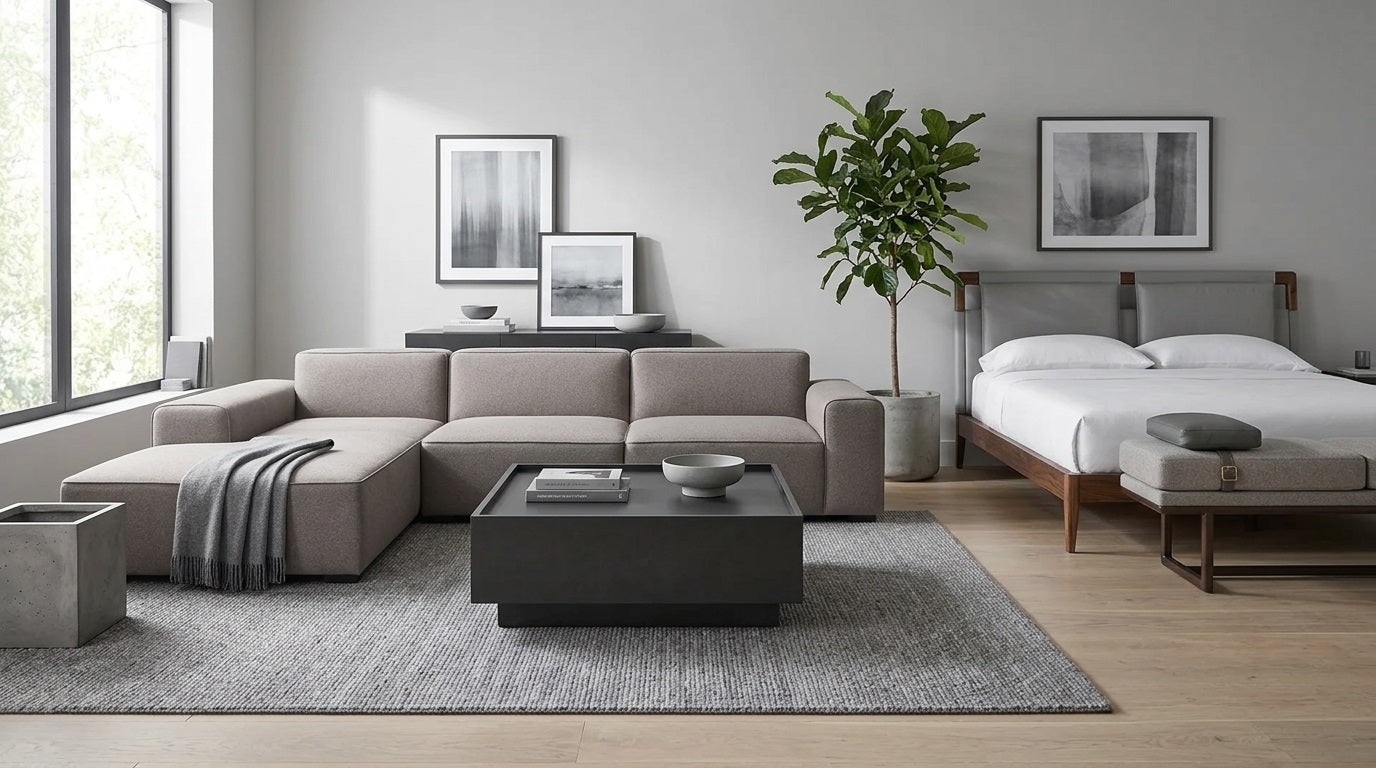
Furnishing your new home and unsure where to begin? Moving into a new space is exciting, but choosing the right furniture can quickly become confusing when every room needs attention at once. The smartest approach is to follow a structured, room-by-room checklist that focuses on essentials first, ensuring comfort, functionality, and long-term value. In this guide, you’ll learn exactly how to choose furniture for a new home with an essential furniture checklist so you can build a well-balanced, practical home step by step. Understanding Your Space Before Choosing Furniture Before buying anything, the most important step is to understand your home layout. Many people rush into furniture shopping and later realize their pieces don’t fit properly or make rooms feel crowded. For this purpose, make sure you know how to measure room for furniture. Start by measuring: Room dimensions Wall lengths Window and door placements Walking pathways and clearance space This helps you avoid overfilling rooms and ensures smooth movement throughout the home. Even a basic floor sketch can help you visualize where each piece of furniture will go and prevent costly mistakes. A well-planned layout is the foundation of a comfortable and functional home. Living Room Furniture Essentials Checklist The living room is the main social space of your home. It reflects your style and is used daily for relaxation, entertainment, and hosting guests. Sofa or Seating Arrangement The sofa is the most important piece in the living room. Your choice should depend on room size and lifestyle needs. L-shaped sofa designs for spacious living rooms 3+2-seater combinations for medium homes Compact two-seater sofa designs for smaller apartments Focus on durability, seating comfort, and fabric quality, especially if you use the living room frequently. Coffee Table A coffee table adds functionality and completes the seating area. It should be proportionate to your sofa and leave enough walking space around it. Storage coffee tables are especially useful for storing remotes, magazines, and small essentials. TV Unit or Media Console A TV unit helps organize entertainment systems, consoles, and cables while adding structure to your wall design. Wall-mounted media units work well in modern, minimal interiors. Accent Chairs (Optional) Accent chairs provide extra seating and enhance visual appeal. They are ideal for larger living rooms where space allows flexible seating arrangements. Bedroom Furniture Essentials Checklist Your bedroom is your personal comfort zone. The furniture here should focus on relaxation, storage, and sleep quality. From bed designs to side tables, there are certain pieces that are essential in the space. Bed Set The bed is the central piece of the bedroom and should be chosen based on room size and comfort needs. Queen-size beds for standard rooms King-size beds for master bedrooms Storage beds for small or cluttered spaces Wooden beds are durable and classic, while upholstered beds provide a soft, luxurious feel. You must identify the best wood for beds in Pakistan before choosing one. Mattress A mattress is one of the most important purchases for your new home because it directly impacts sleep quality, posture, and long-term health. When choosing a mattress, consider: Firmness level (soft, medium, or firm) Spinal alignment and back support Material type (memory foam, spring, or hybrid) Heat control and breathability A good mattress reduces back pain, improves sleep quality, and enhances daily energy levels. It is not just furniture, it is a health investment. Wardrobe or Closet A wardrobe keeps your bedroom organized and clutter-free. Options include: Built-in wardrobes for modern interiors Freestanding wardrobes for flexibility Sliding door wardrobes for compact rooms Look for internal compartments like shelves, drawers, and hanging sections for better organization. Bedside Tables Bedside tables are small but highly functional. They hold lamps, phones, books, and night essentials, making your bedroom more convenient and organized. Read More: What Goes into a Complete Bedroom Set? Dining Room Furniture Essentials Checklist The dining area is where family meals, conversations, and gatherings take place. It plays an important role in creating a warm and connected home environment. Dining Table Set The dining table is the centerpiece of the dining room. Your choice depends on family size and space availability. 4-seater dining sets for small families 6-seater dining sets for medium families 8-seater dining sets for large homes Wooden dining sets offer durability, while glass-top tables add a modern aesthetic. Dining Chairs Dining chairs should be comfortable, supportive, and match the table design. Upholstered chairs provide added comfort for longer meals and gatherings. Display Cabinet (Optional) A display cabinet can showcase crockery, glassware, or décor pieces, adding elegance to your dining room design. Storage Furniture for a Well-Organized Home Storage is essential for maintaining a clean and clutter-free home environment. Storage Ottomans Ottomans provide dual functionality, extra seating, and hidden storage space, making them perfect for small homes. Multipurpose Cabinets These cabinets can be placed in bedrooms, hallways, or living rooms for additional storage. Shoe Rack A shoe rack near the entrance helps maintain cleanliness and keeps footwear organized. Choosing the Right Materials for Furniture Furniture material plays a major role in durability, maintenance, and aesthetics. Common options include: Solid wood for long-lasting durability and premium appeal Engineered wood for budget-friendly solutions Metal for modern, industrial designs Upholstered fabric for comfort-focused seating Choosing the right material ensures your furniture remains functional and attractive for years. Smart Budget Planning for Furniture Shopping Budgeting helps prioritize essential furniture and avoid unnecessary spending. A smart approach is: Invest first in a bed, a mattress, and a sofa. Next, focus on wardrobes and dining furniture Finally, add décor and optional pieces This method ensures your home becomes functional before focusing on aesthetics. Smart Tips for Choosing Furniture for a New Home Measure everything before purchasing Prioritize comfort over trends Choose neutral tones for long-term flexibility Invest in multi-functional furniture Avoid overcrowding roomsFocus on durability rather than cheap pricing A well-planned furniture setup ensures both comfort and long-term satisfaction. Choose the Right Furniture From the Right Place! Choosing furniture for a new home is about more than filling empty room;s, it’s about creating a lifestyle that feels comfortable, functional, and balanced. Make sure to follow this essential furniture checklist. Hence, you can build a home that works for your daily needs and future growth. A thoughtfully furnished home is not just beautiful, it is practical, comfortable, and built for everyday living. Are you wondering where to buy furniture online in Pakistan? Diamond Home is the ultimate choice. Explore their collection of furniture to find modern bed designs, sofa sets, and best-quality pieces that enhance your interior! FAQs 1. What furniture is essential for a new home? Essential furniture includes a bed with a mattress, a sofa set, a wardrobe, a coffee table, a dining table set, storage units, bedside tables, and a study desk. 2. How do I choose the right mattress for my bedroom? Choose a mattress based on firmness, spinal support, material type (memory foam, spring, or hybrid), and breathability for better sleep quality. 3. What should I buy first when furnishing a new home? Start with essentials like a bed, mattress, sofa, and dining table before moving to storage and decorative furniture. 4. How can I save money while buying furniture for a new home? Set a clear budget, prioritize essential furniture first, choose multi-purpose items, and avoid buying unnecessary décor early on. 5. What type of furniture is best for small homes? For small homes, use space saving furniture like storage beds, compact sofas, folding dining tables, sliding wardrobes, and multi-purpose storage units.